
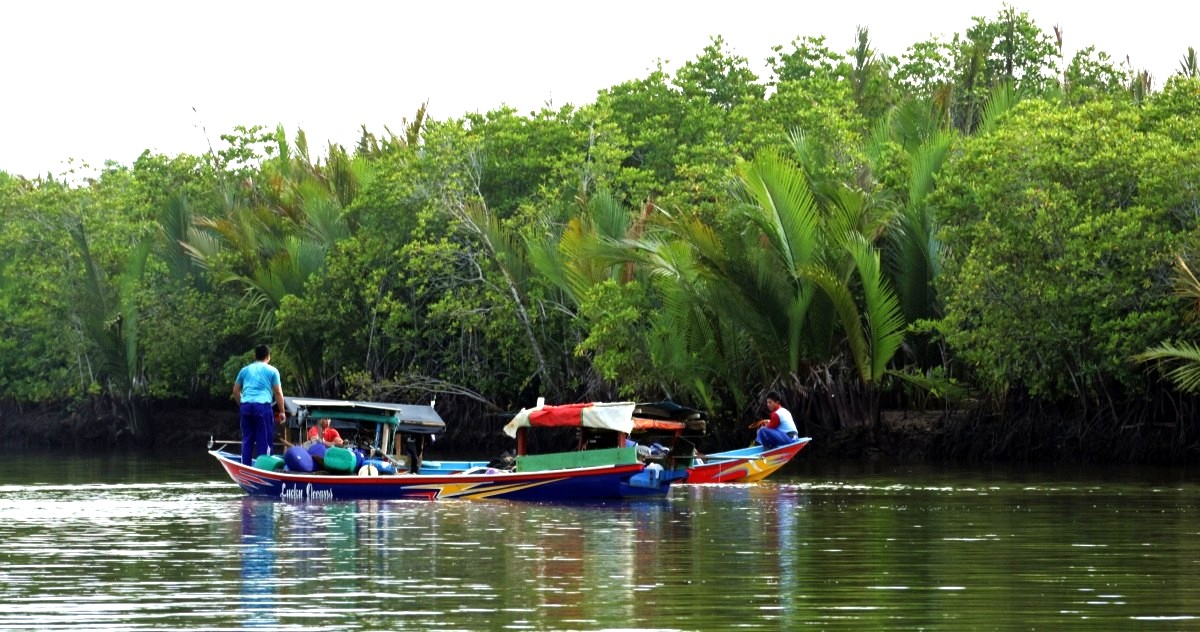
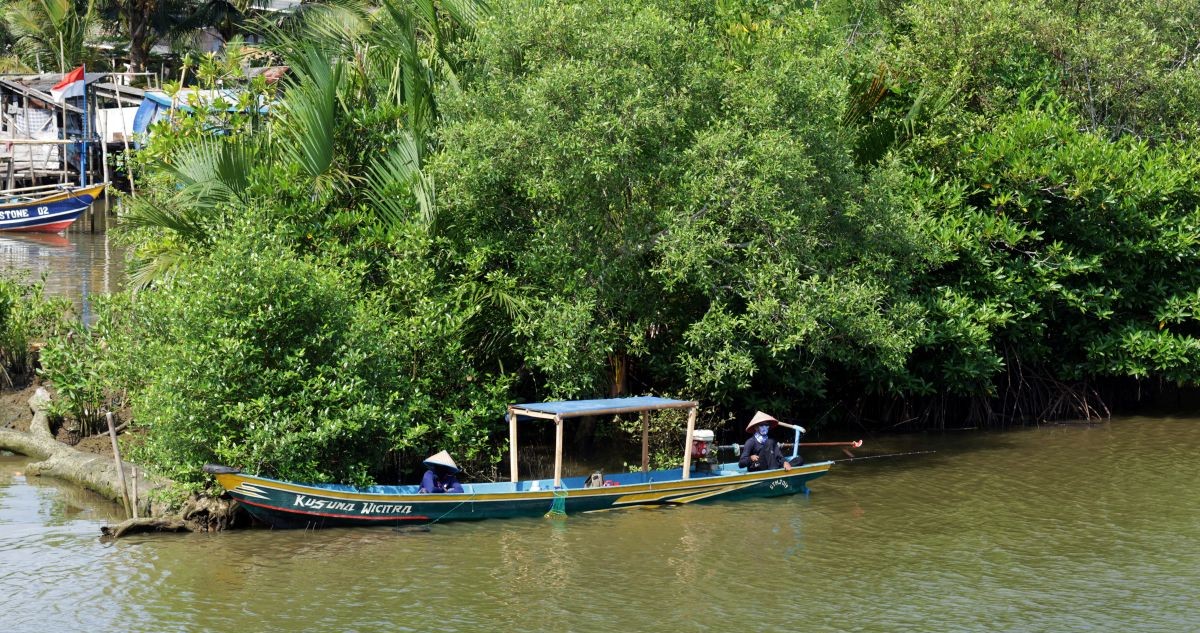
Rows of mangroves and nipa palms line some of the estuary channels of the Segara Anakan Lagoon in Kampung Laut. Along its winding waterway, Turisno steers his wooden boat. As it glides across the calm water, he searches for the right spot to cast his fishing net. A fisherman since childhood, he has long depended on the sea for his livelihood.
“I usually catch fish, shrimp, and crabs,” he said. “But now, I have to fish in narrow waterways like these because there are fewer fish left in the sea.”
Turisno believes the decline in fish populations is largely due to decades of sedimentation and the loss of mangrove covers, which has gradually made the seabed shallower.
“When I was young, the houses in this village stood above the sea on stilts made from mangrove wood. That’s why this place is called Kampung Laut or Sea Village,” he recalled. “At low tide, fish, shrimp, and crabs were so abundant that we could catch them right from our doorstep.”
Over the years, however, sedimentation and the loss of vast mangrove forest have transformed the landscape. As Turisno has witnessed, these changes have significantly reduced fish populations, making it increasingly difficult for local fishers to earn a living.
Unsustainable Aquaculture and Upstream Sedimentation Disrupt Coastal Ecosystems
Nestled along the southern coast of Cilacap Regency in Central Java Province, Indonesia, Kampung Laut District – Turisno’s home village – is home to the province’s largest mangrove forest. For generations, its rich waters have supported local livelihoods, primarily through fisheries.
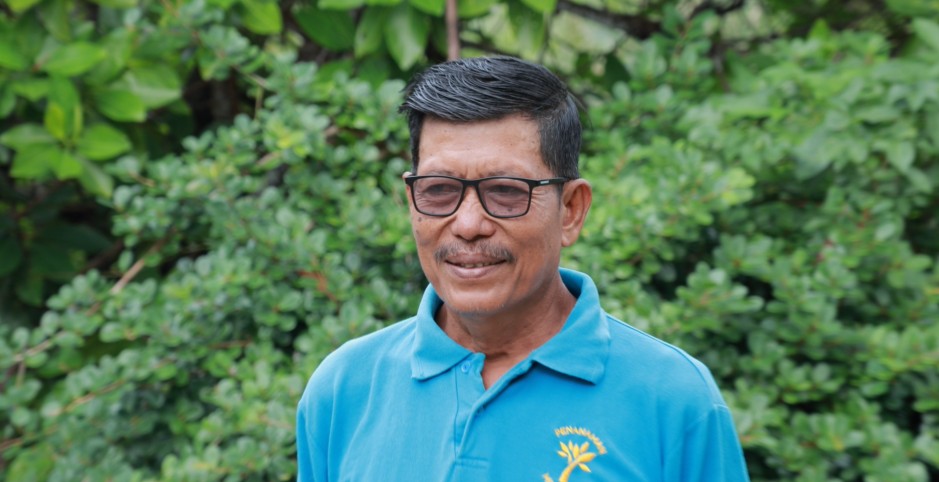
However, unsustainable aquaculture has disrupted coastal ecosystems and threatened the livelihoods depend on them. “In the 1990s, mangrove forests were vast and dense. After 1994, however, the opening of aquaculture land by investors led to major destruction and severe damage to the forests,” Thomas Wahyono, the pioneer of mangrove restoration in Kampung Laut shared.
According to Thomas, around 2,000 hectares of mangrove forest were degraded for aquaculture cultivation.
“75% of Kampung Laut people are fishermen. When the mangroves disappeared, fish catches declined, and so did our income.”
The challenges did not end there. Sedimentation has also intensified due to extensive deforestation in the upper reaches of the Citanduy River, which flows into the Segara Anakan Lagoon. As sediment accumulates and mangroves disappear, the waters become shallower and fish habitats continue to decline.
“Sedimentation happens very quickly here,” said Tarman, another local fisherman. “Since the mangroves disappeared, fish have become scarce. Many people have had to leave the village to find work elsewhere.”
Restoring the Mangrove Forest of Kampung Laut
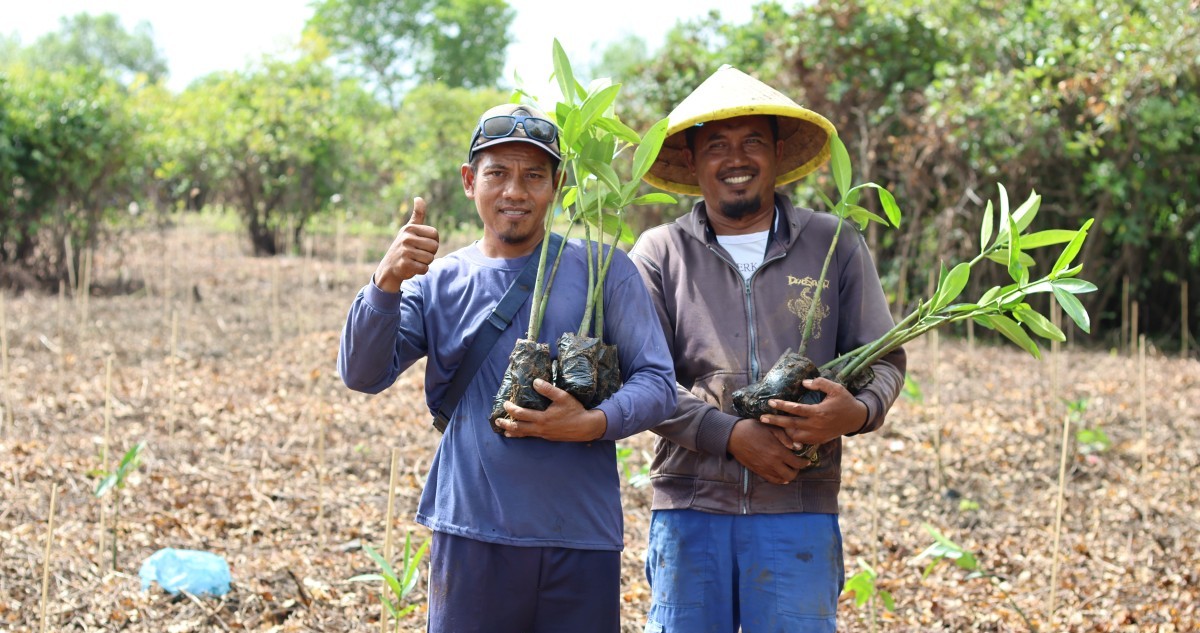
Witnessing the mangrove forests severe degradation in his village, together with fellow community members, Thomas began gathering mangrove seeds, nurturing them into seedlings and replanting them across degraded areas.
“We’ve restored more than 500 hectares of the total degraded mangrove forest,” Thomas said. While the community has made significant progress, restoring such a vast landscape requires long-term collaboration.
Supporting Kampung Laut’s communities, Trees4Trees has joined the mangrove restoration effort since 2022. The initiative began with a pilot project that planted over 20,000 mangroves across 7 hectares in Ujung Alang Village.
In 2025, with the support of Grab and EcoMatcher, the restoration expanded by planting 175,000 mangroves across 52 hectares, representing six native mangrove species.
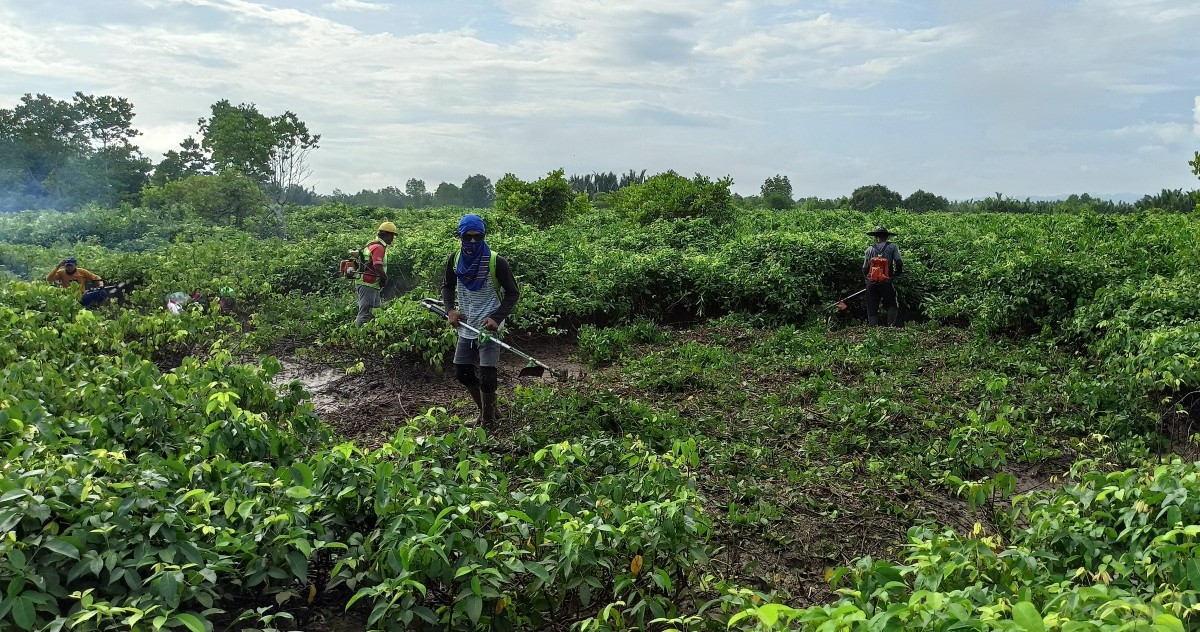
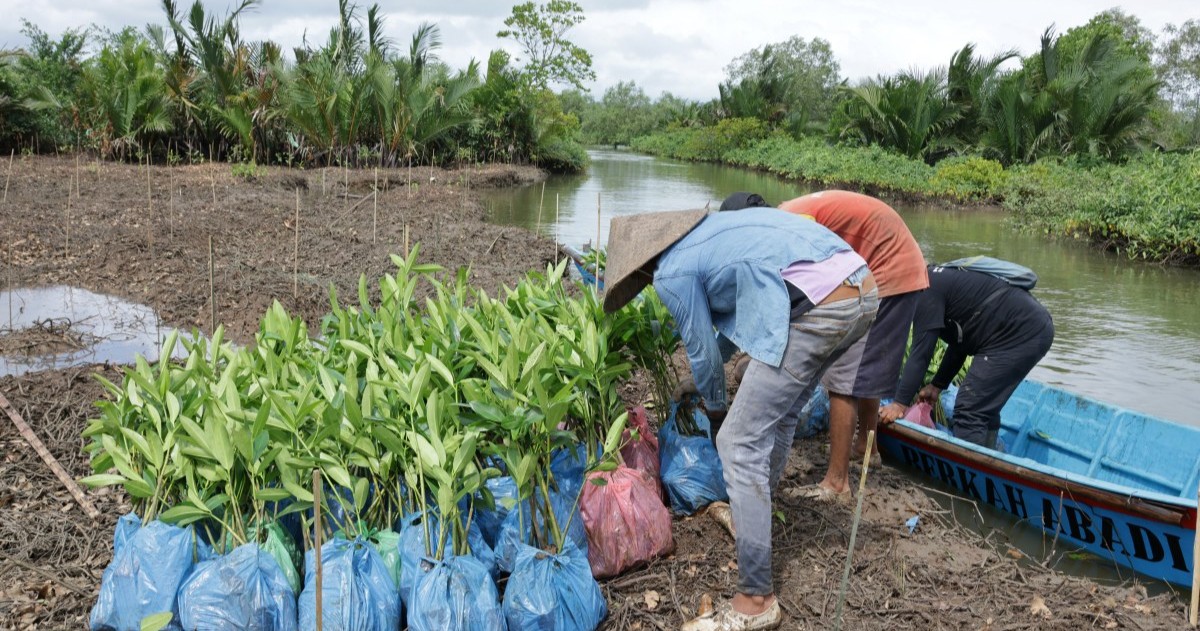
“Degraded mangrove forests can no longer regenerate naturally as invasive vegetation has taken over and only a few mangrove species remain,” said Yoga Septian, Trees4Trees Site Coordinator in Cilacap. “Mangroves are vital nursery and feeding grounds for fish and crustaceans. Protecting and restoring them is essential,” he added.
Yoga explained that the project’s main goal is to restore degraded mangrove ecosystems, benefiting local communities while helping combat climate change.
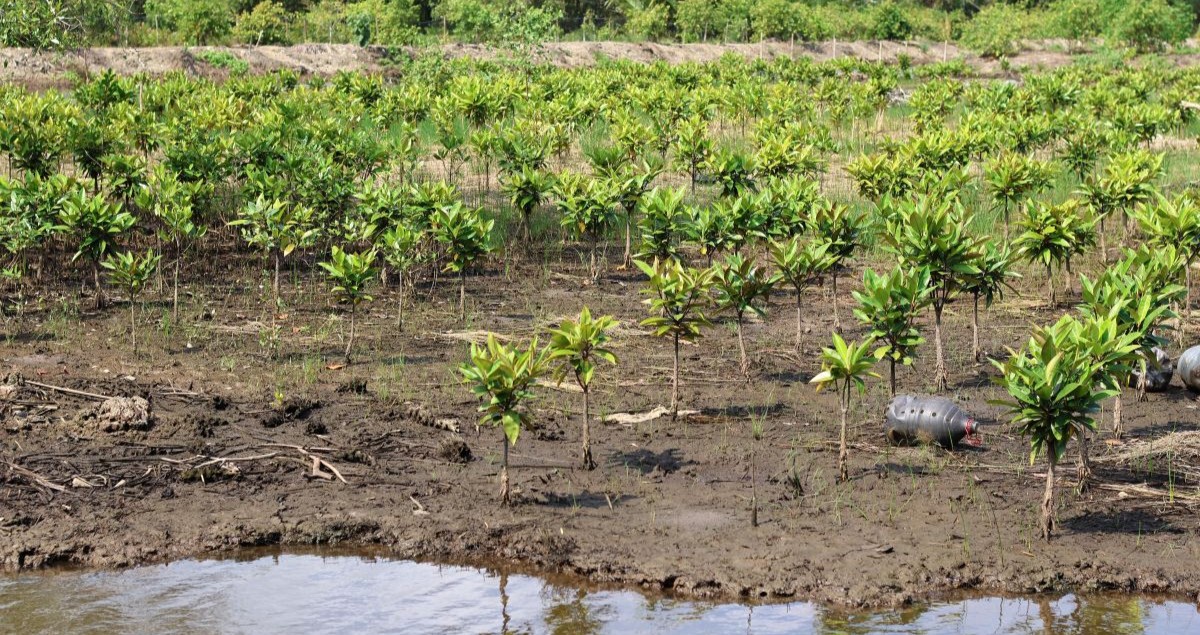
Supporting Local Livelihoods
As mangrove forests recover, so do the opportunities they provide. Alongside restoration efforts, the program supports community-led silvofishery – integrating mangroves with sustainable aquaculture. Seven silvofishery ponds have been established, creating a more resilient source of income for local fishing families.
“In 2025, we expanded our silvofishery program. As sedimentation has made the waters increasingly shallow and fish catches have declined, we wanted to provide a sustainable alternative that strengthens community livelihoods,” said Yoga.
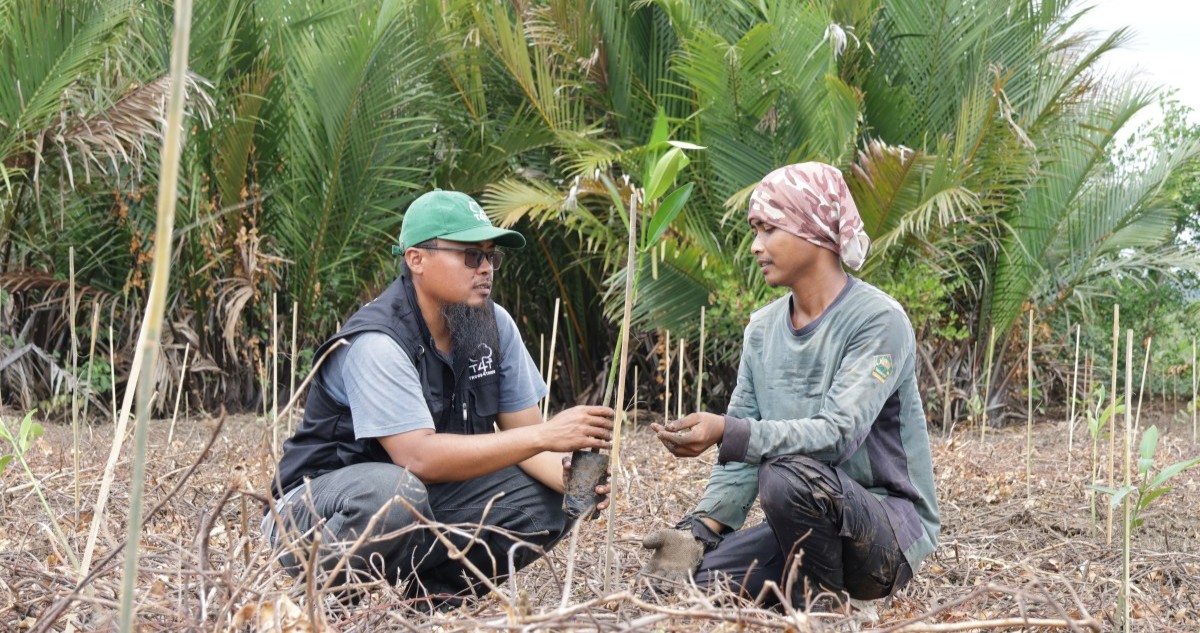
After six months, the ponds enabled local fishers to harvest nearly 100 kilograms of fish and crabs.
Beyond fisheries, restored mangrove forests also support local communities who create mangrove-based products, including foods and naturally dyed batik. “The more mangroves we plant, the more natural dyes we produce to continue creating our mangrove batik,” said Sodiqin, a batik artisan from Kampung Laut.
For the people of Kampung Laut, restoring the ecosystem is about more than bringing mangroves back to the coast. It is also about sustaining livelihoods, preserving local traditions, and strengthening the resilience of coastal communities.
Building on the previous restoration efforts, we are preparing to expand mangrove planting across a wider area in the next planting season, beginning at the end of this year.
By restoring more mangrove forests, we aim to support local communities to bring back vital mangrove cover while creating greater benefits for both nature and people. Achieving this vision requires collaboration, and we invite partners and supporters to join us in this effort.
Together, we can restore the mangroves of Kampung Laut, one of Indonesia’s most valuable coastal ecosystems and strengthen coastal livelihoods. Your support can make a meaningful difference. To learn more about the project, click HERE.
Writer: V. Arnila Wulandani. Photo: Yulianisa Dessenita & Bagas Hanantiaka

X


X
X
1 Comment
Wonderful beat I wish to apprentice while you amend your web site how could i subscribe for a blog web site The account aided me a acceptable deal I had been a little bit acquainted of this your broadcast provided bright clear idea
Comments are closed for this article!