
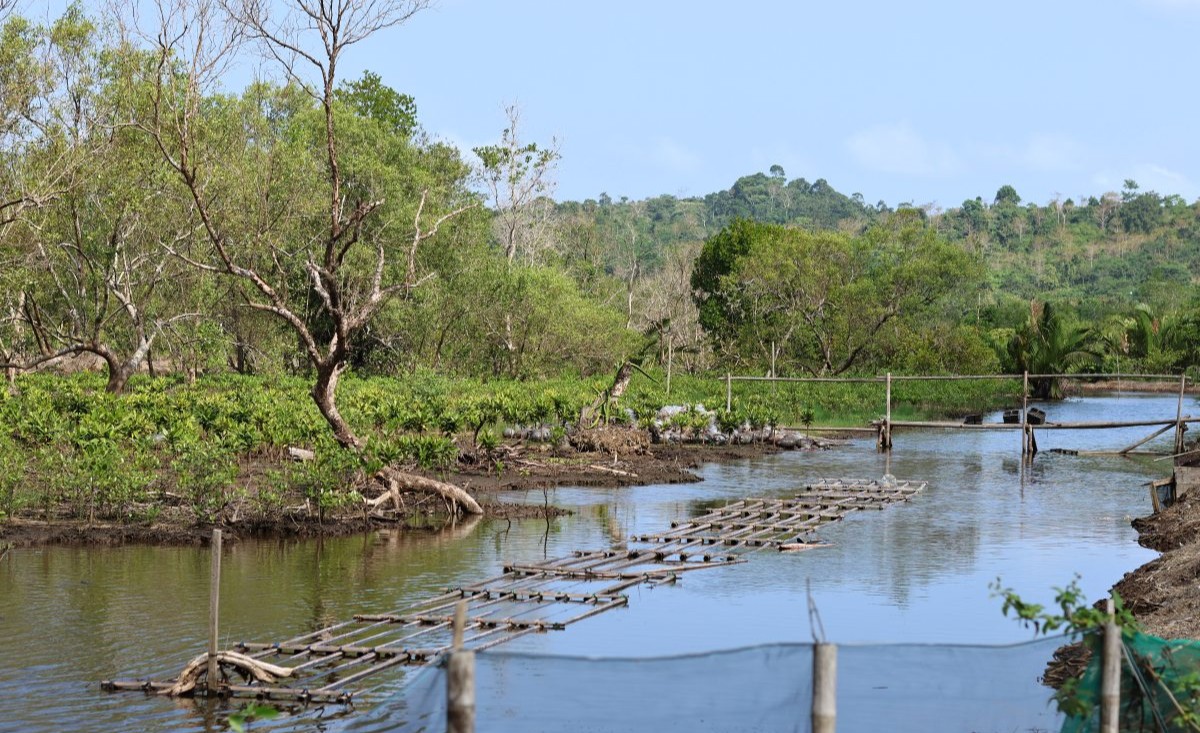
It was three in the afternoon, yet the sun still blazed overhead, leaving one corner of Kampung Laut bathed in intense heat. Decades ago, this landscape was covered by dense mangrove forests that shaded the coastline and sheltered a rich diversity of life. Today, much of that natural canopy has disappeared, leaving large stretches of open land exposed.
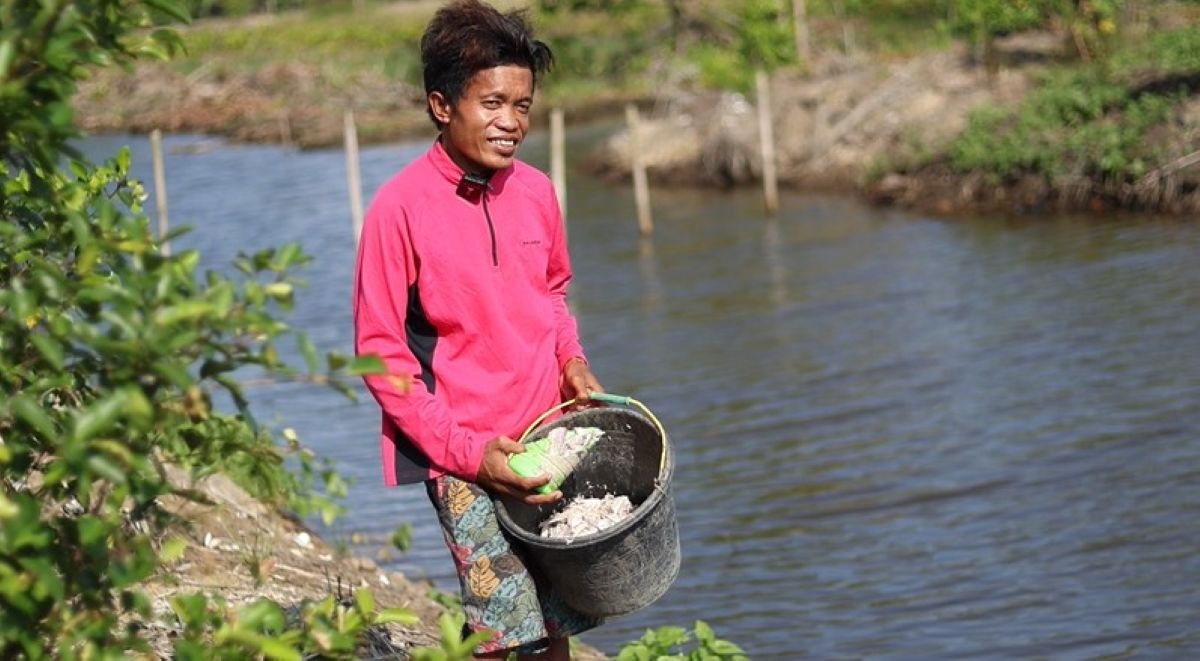
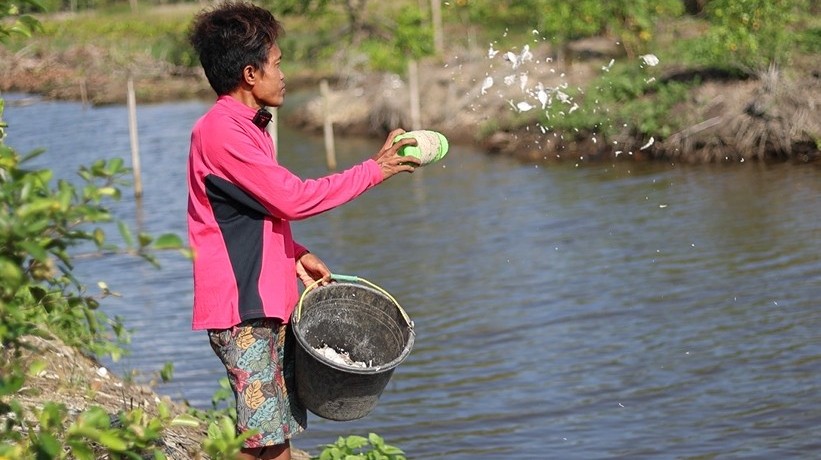
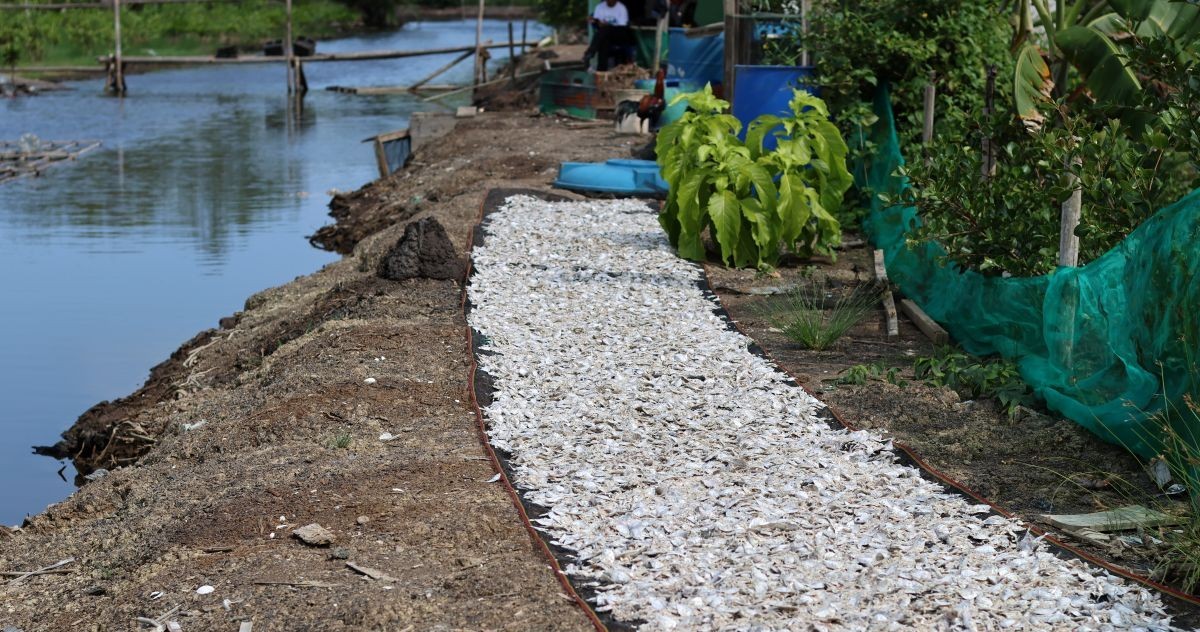
Standing beside a two-hectare silvofishery pond, Joni Wahyono scatters handfuls of dried fish into the water. Within seconds, dozens of crabs emerge to feed. The ponds now surround a young mangrove forest, but this land once told a different story. It had originally been a mangrove forest before being cleared and converted into shrimp ponds
“This pond was created four years ago on land that had once been a mangrove forest before it was converted into shrimp ponds,” Joni said. “When we started, it was completely barren. We replanted mangroves in the center and built the ponds around them.”
Mangrove Degradation in Kampung Laut
The impacts of mangrove degradation in Kampung Laut District, Cilacap, nearly three decades ago are still evident today, leaving vast stretches of the coastal landscape degraded and disrupting the livelihoods of communities that depend on fisheries.
Without healthy mangrove covers that serve as nursery ground and habitat for fishes, crustaceans, and other aquatic species, fish stocks declined, reducing the biodiversity and the income of local fishing communities.
Confronted with these challenges over the years, a group of community members recognized the need for a more sustainable approach. They began adopting silvofishery which integrates mangrove restoration with sustainable aquaculture practise, including Joni Wahyono, one of the local community members pioneering the silvofishery in Kampung Laut.
What is silvofoshery and how it works?
Learning From the Past: Silvofishery Brings Back the Mangrove and the Livelihoods
The silvofishery system in Kampung Laut grew from lessons learned after decades of mangrove loss with nearly a quarter of mangrove forest areas were converted into unsustainable shrimp ponds.
“In 1997, many of those ponds collapsed because of an outbreak of white spot disease. However, some ponds survived, all of which were the ones with mangrove trees surrounded them,” he explained. “That experience taught us an important lesson and inspired us to develop silvofishery ponds, where mangroves and aquaculture can coexist.”
Together with a group of young people from Kampung Laut, Joni began replanting mangroves and experimenting pilot silvofishery ponds close to the residential area. The results were promising. Following the initial success, today, the group manages several silvofishery ponds established within once-degraded mangrove areas.
What Makes Silvofishery Better than Conventional Ponds?
Unlike conventional fishponds which require clearing vegetation to create open ponds, silvofishery integrates mangroves into the aquaculture system. According to Joni, silvofishery has a much lower environmental impact while delivering more reliable harvests. It is also significantly more affordable to establish—costing up to ten times less than conventional aquaculture ponds.
“In conventional fishponds, the construction costs are much higher. So does the risk of harvest failure. As the roots of the remaining trees decompose, they release substances that can become toxic to the fish or shrimp.”
Joni also explained that conventional ponds without mangroves are less capable of maintaining healthy water quality. In contrast, mangroves naturally filter water. These contribute to better water quality, reduce the risk of disease outbreaks, and improve the survival of fish, shrimp, and mud crabs.
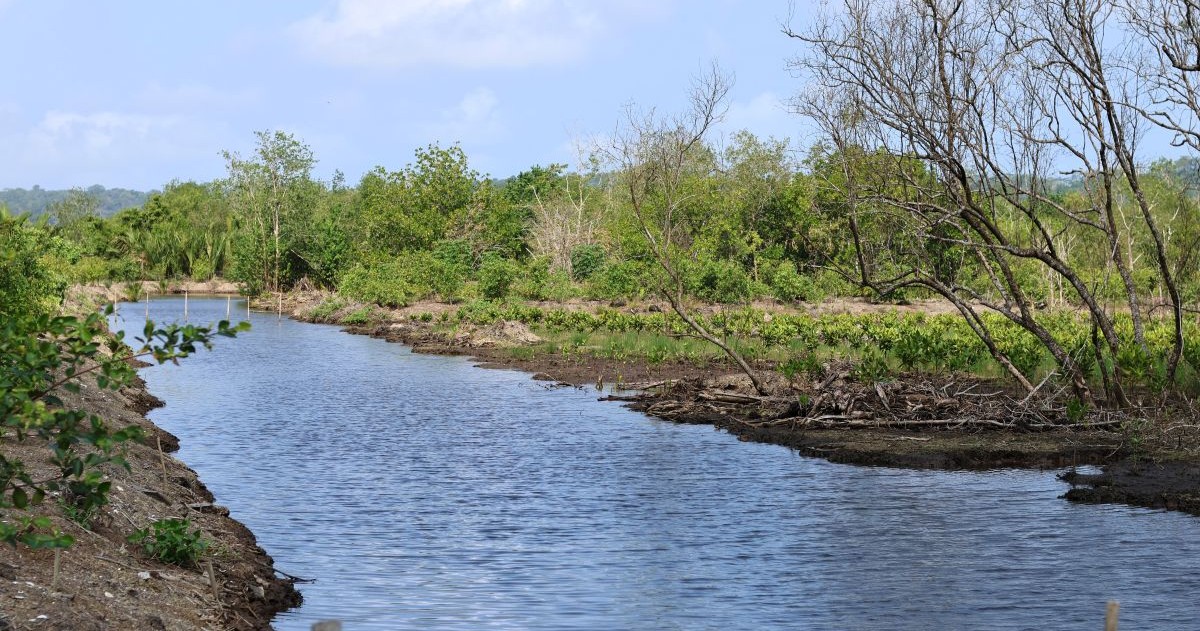
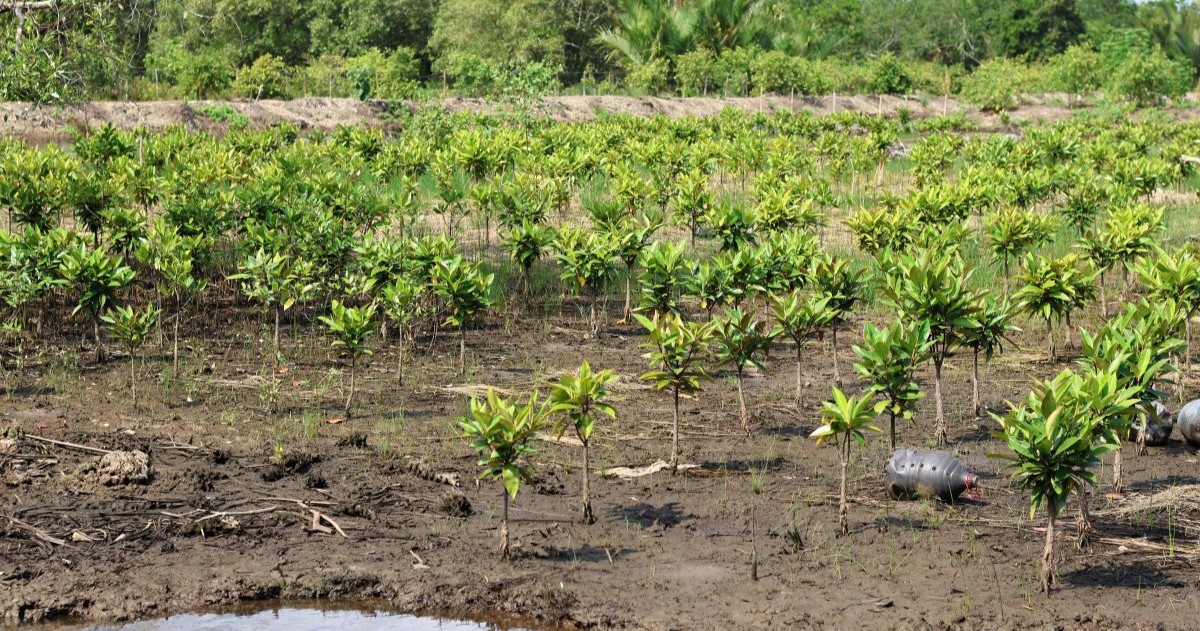
How silvofishery practice performs better than conventional ponds?
Trees4Trees Helps to Expand Silvofishery in Kampung Laut
Inspired by the silvofishery model pioneered by Joni and the Kampung Laut community, Trees4Trees has been supporting the expansion of community-managed silvofishery alongside its mangrove restoration program since 2024. In collaboration with EcoMatcher, the planting has restored more than 175,000 mangroves across 52 hectares of degraded coastal land in Ujung Alang Village, Kampung Laut District.
According to Yoga Septian, Trees4Trees’ Cilacap Site Coordinator, the organization launched its first silvofishery pilot project in 2024. “Just four months after stocking the pond, we harvested around 50 kilograms of fish and mud crabs,” he said. Following on the success of the pilot project, Trees4Trees expanded the program in 2025 by establishing seven additional ponds, each measuring 50 × 50 meters. Integrated with ongoing mangrove restoration, the ponds support the cultivation of fish and mud crabs while allowing mangrove forests to recover.
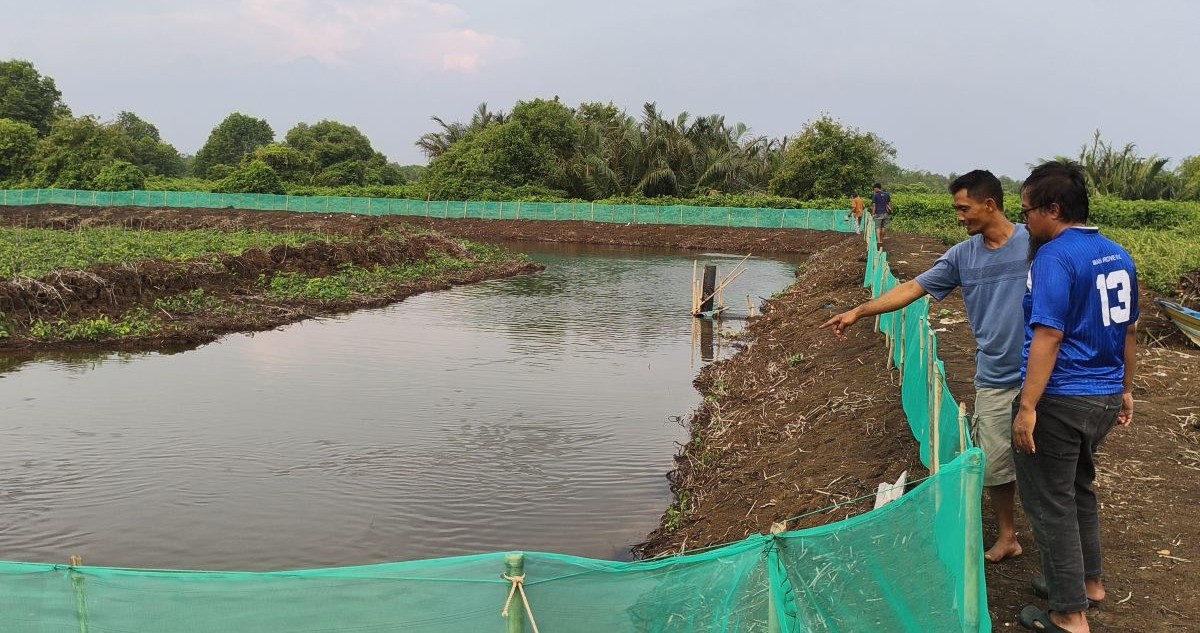
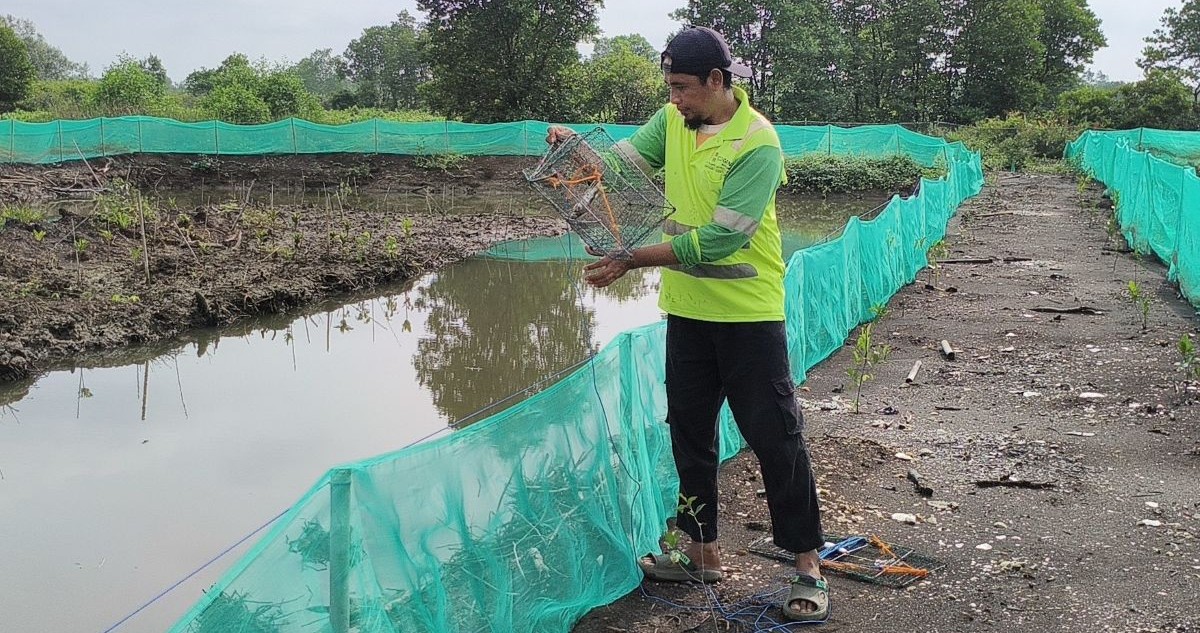
Benefits of Silvofishery
According to Joni, silvofishery offers a solution to two of Kampung Laut’s greatest challenges: restoring mangrove ecosystems degraded over decades and rebuilding fish stocks that declined as mangrove habitats disappeared.
“Through silvofishery, we harvest around 50–100 kilograms of mud crab each week, while shrimp can be harvested every six months,” Joni said.
The same success is evident in the community-managed ponds supported by Trees4Trees. “The seven ponds established in 2025 generated 61 kilograms of mud crabs and 35 kilograms of milkfish, providing more than 8.3 million rupiah (US$464) as additional income for local communities,” Yoga said. The initiative now benefits at least 35 community members, most of them fishers.
For Surip, one of the participating fishers, silvofishery offers economic security. “If I can’t go fishing, the pond provides additional income,” he said. “Recently, our group harvested 12 kilograms of mud crabs, and we’re thrilled.”
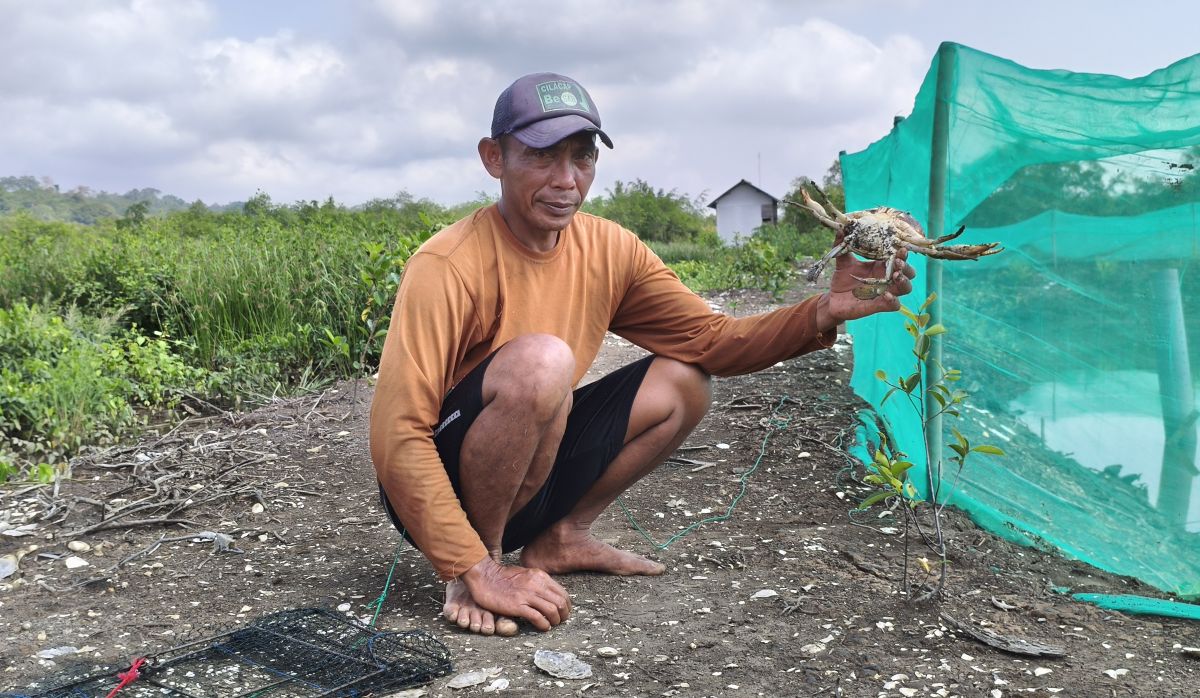
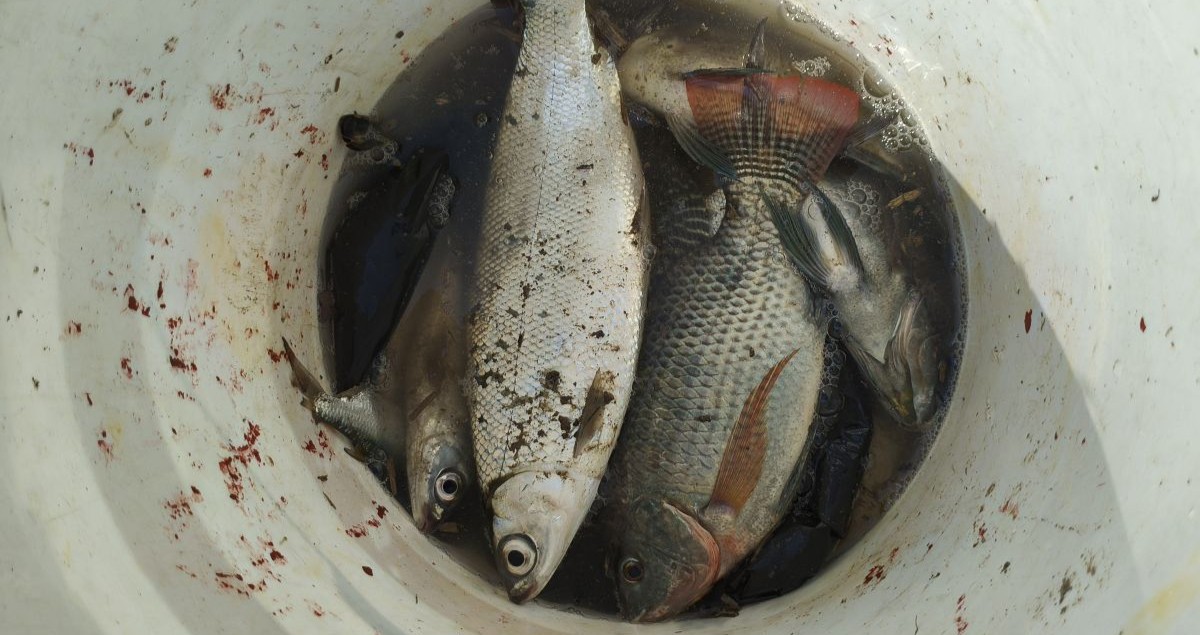
The silvofishery practice in Kampung Laut shows that mangrove restoration strengthens the resilience of both coastal ecosystems and local communities. It proves that when nature is managed sustainably, healthy ecosystems and thriving livelihoods can grow together.
Expanding this impact, however, requires collaboration. As we continue to restore mangrove forests and develop more community-managed silvofishery ponds, we invite you to be part of this journey.
Learn more about the Kampung Laut mangrove restoration project HERE
Writer: V. Arnila Wulandani. Photos: Bagas Hanantiaka

X


X
X