
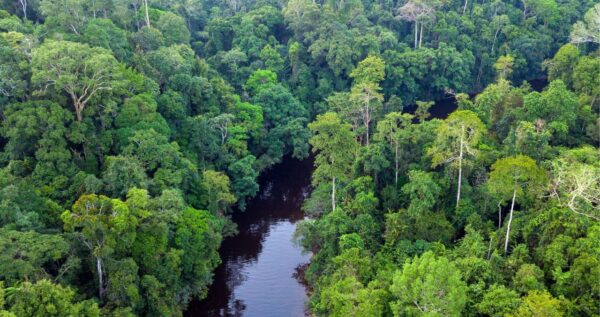
Rainforests are one of the world’s major forest ecosystems. Based on climatic zones, forests are classified into three main categories: tropical forests, temperate forests that experience four distinct seasons, and boreal forests characterized by long, cold winters and vast coniferous landscapes. Rainforests are part of tropical forests, characterized by high levels of rainfall throughout the year.
Compared to temperate and boreal forests, tropical rainforests harbor far greater biodiversity, higher biological productivity and wider non-timber forest products due to abundant rainfall and year-round sunlight.
Impressively, despite covering only about 6% of the planet’s land surface, rainforests are among the Earth’s most valuable ecosystems and are home to more than half of the world’s biodiversity. They also store vast amounts of carbon, regulate water cycles, and provide essential resources that support millions of people worldwide while helping maintain the balance of life on Earth.
Biodiversity Haven: A Home for Millions of Species
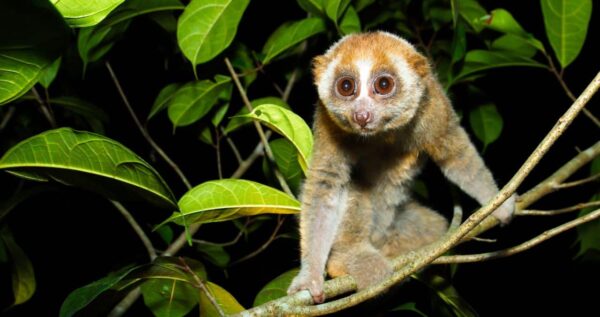
As the habitat for over 50% of the world’s plant and animal species, tropical rainforests play a critical role in sustaining biodiversity. A single hectare of tropical rainforests can contain more than 400 tree species, highlighting the ecosystem’s richness. Scientists estimate millions of species may still be undiscovered, particularly insects, fungi, and microorganisms.
Rainforests pose multi-layered canopy structures and complex architecture which creates a variety of habitats, allowing different species to occupy distinct ecological niches. The upper canopy is inhabited by primates, great apes, and numerous bird species, while the lower layers and forest floor support reptiles and mammals, ranging from small rodents to large animals such as elephants, rhinoceroses, and tigers.
Beyond supporting wildlife, rainforests are also home to an extraordinary diversity of flora, including towering trees, lianas, orchids, ferns, epiphytes, and medicinal plants. This exceptional biodiversity maintains ecosystem balance by sustaining food webs, facilitating pollination and seed dispersal, recycling nutrients, and enhancing the ecosystem’s resilience and stability.
Read more: 10 Iconic Flora & Fauna of the Citarum River Basin: A Showcase of Biodiversity (Part 1)
Climate and Water Regulation
Beyond serving as a wildlife refuge, rainforests are among the world’s most important carbon sinks. Tropical rainforests can store 250–300 tons of carbon per hectare and collectively hold around 45% of the world’s terrestrial carbon. These forests absorb carbon dioxide from the atmosphere and store it in their biomass, helping to slow climate change. Protecting existing rainforests is therefore one of the most effective nature-based solutions for mitigating global warming.
Rainforests also regulate the Earth’s water cycle. Their dense vegetation allows them to generate a significant portion of their own rainfall through evapotranspiration. Large rainforest trees can release hundreds of liters of water into the atmosphere every day. In the Amazon Basin for example, 50% of rainfall is produced through water recycled by forest vegetation. This process helps maintain regional climate stability and support agricultural productivity far beyond forest boundaries.
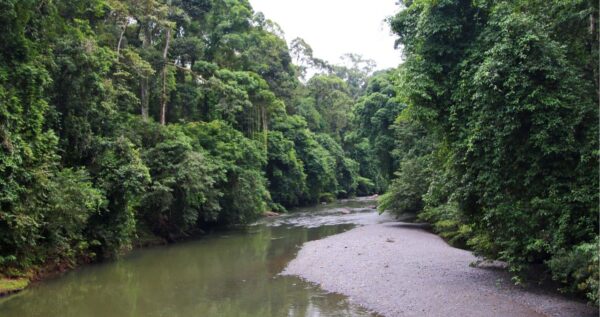
Healthy rainforest ecosystems are equally important for maintaining watershed functions, acting as natural sponges; forests absorb rainfall, reduce runoff, regulate river flows, and help reduce flooding. During dry seasons, forests gradually release stored water into streams and rivers, ensuring a more reliable clean water supply.
Benefits for Humanity
People also benefit directly from rainforests through the use of non-timber forest products. Forest honey, rattan, fruits, medicinal plants, resins, and other natural resources provide food and income for local communities. Globally, more than 1.6 billion people depend on forests to some extent for their livelihoods, making forest conservation closely linked to human well-being and economic security.
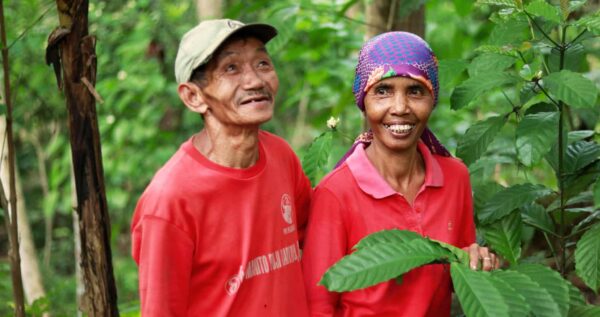
From the health sector, around 25% of modern medicines contain ingredients originally derived from tropical forest plants. Yet only less than 1% of rainforest plant species have been scientifically investigated for their medicinal potential. This highlights the enormous opportunities that rainforests offer for future discoveries in herbal and pharmaceutical medicine. So that the loss of every rainforest species may represent a potential cure that has yet to be discovered.
Read also: Sutajaya: Planting Trees, Preserving Biodiversity and Heritage in West Java
Indonesia’s Rainforests and Conservation Challenges
As a tropical country, Indonesia where we focus on tree planting is fortunate to be home to extensive rainforests, which provide invaluable ecological, climatic, and socioeconomic benefits.
Home to the world’s third-largest tropical rainforest, Indonesia holds a particularly important position in global conservation efforts. These forests shelter flora and fauna found nowhere else on Earth, including orangutans, Sumatran tigers, Javan rhinoceroses, and birds-of-paradise. Indonesia’s rainforests also enable to store vast carbon capacity, contributing to world climate change mitigation.
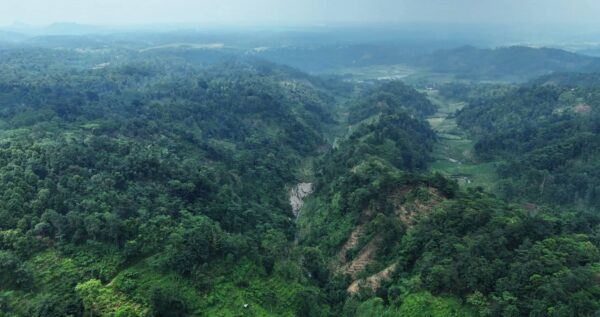
Despite their importance, rainforests continue to face serious threats from deforestation, forest conversion, unsustainable land-use practices, and other forms of forest degradation. According to the Food and Agriculture Organization (FAO), the world lost approximately 420 million hectares of forest between 1990 and 2020, highlighting the urgent need for stronger conservation efforts.
For these reasons, protecting Indonesia’s rainforests is essential. Reducing deforestation, preventing forest conversion, restoring degraded landscapes, and supporting sustainable forest management are critical steps toward safeguarding these ecosystems.
Although rainforests, including those exist in Indonesia cover only a small fraction of the Earth’s surface, their influence extends far beyond their boundaries. By regulating water cycles, storing vast amounts of carbon, conserving extraordinary biodiversity, and supporting countless endemic species, they provide ecosystem services that are indispensable to both nature and people. Protecting rainforests is therefore not simply about conserving trees – it is about safeguarding the ecological systems that sustain life and securing a more resilient future.
Writer: Muhammad Dimas. Editor: V. Arnila Wulandani. Photo: Y. Dessenita, M. Elly Nezar, Canva


X


X
X