How Indonesian Native Trees Support Global Ecology
Important Commodities
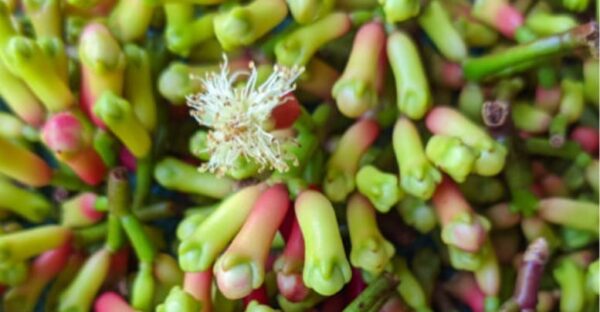
Another important commodity is cinnamon. In 2024, Indonesia exported around US$112.2 million worth of cinnamon, contributing about 13.7% of global exports. Indonesian native trees are also used in perfumes, aromatherapy, skincare, and wellness products, including gaharu (agarwood), one of the world’s most expensive woods.
These examples show that Indonesian native trees contribute not only to environmental sustainability, but also to economies and the daily life around the world.
Native Trees and the Lives of Local Communities
Beyond ecological and economic value, native tree species also carry unique cultural stories and deep connections between nature and human life. They have long been deeply connected to the traditions, livelihoods, and identities of local communities.
Across the country, from Sumatra to Papua, native species such as rasamala, puspa, saninten, nutmeg, and matoa support biodiversity while sustaining local livelihoods. For generations, communities have lived alongside these trees and used them in daily life. Teak, for example, is widely used as a natural food wrapper in traditional Indonesian cuisine, while teak forests also support forest honey production and community-based agroforestry.
Native trees also provide important food sources and income opportunities. Petai (stinky bean), jengkol, and durian, for example, produce fruits that are widely consumed locally, helping sustain traditional culinary and community livelihoods.
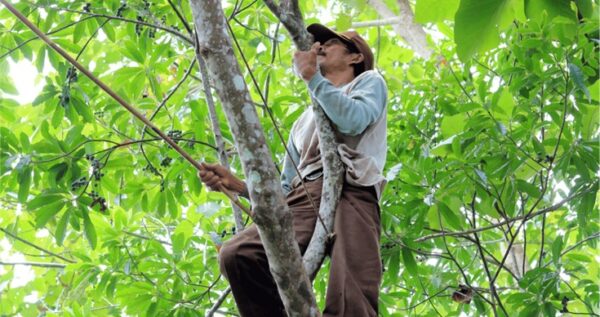
Five Indonesian Native Trees and Their Vital Roles
Indonesia’s native trees do more than protect ecosystems, as each species carries unique ecological, cultural, and economic values that support local communities and global environmental sustainability. Here some of them!
1. Saninten
Growing in Indonesia’s mountain forests, saninten is often called as the guardian of forest moisture. Its dense canopy helps retain soil moisture, regulate forest microclimates, and support carbon storage. However, ongoing habitat loss has placed saninten among Indonesia’s endangered and protected tree species, making conservation efforts important.
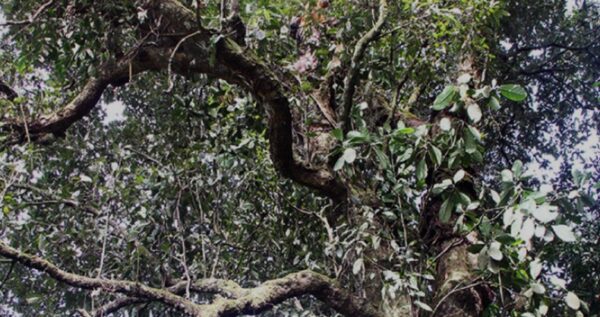
2. Rasamala
Known for its distinctive aromatic resin, rasamala also plays a major ecological role. With its large biomass and long lifespan, the tree stores significant amounts of carbon while supporting biodiversity. Rasamala forests provide habitat for more than 20 bird species, including the endangered Javan hawk-eagle and endemic primate, the Javan gibbon (owa jawa).
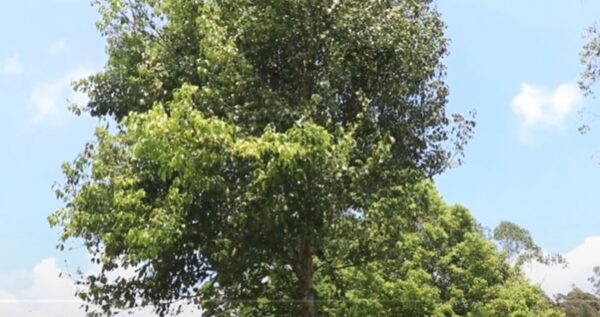
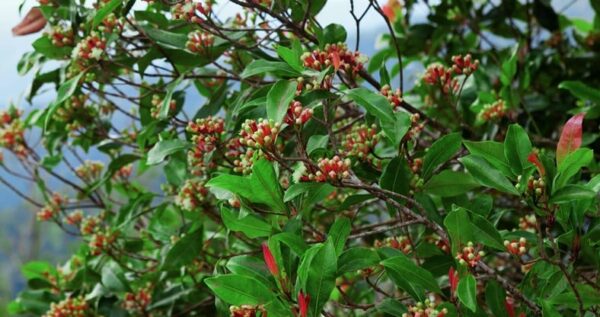
3. Clove
It carries a long Indonesia’s history and economy, dating back to the colonial spice trade. Today, cloves are widely grown in agroforestry systems alongside other crops. Studies show agroforestry systems store on average 46.1 Mg/hectare more carbon in tree biomass than cropland or pasture-based systems. Beyond supporting farming communities, these systems also enhance biodiversity, improve soil health, and store significant more carbon than conventional farming practices.
4. Genitri
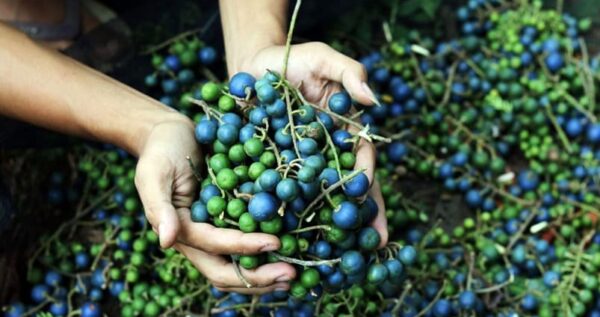
Widely recognized for its seeds, genitri are used as prayer beads in Hindu, Buddhist, and Sikh traditions. Ecologically, genitri is highly resilient and capable of growing on degraded land, making it valuable for forest restoration and conservation efforts. Studies show genitri can survive on degraded land with a 70.6% survival rate, highlighting its potential to restore vegetation cover and ecosystem stability.
5. Petai
Beyond its well-known edible seeds, petai naturally enriches soil fertility by fixing nitrogen from the atmosphere. This makes petai highly valuable in agroforestry systems practiced by the local community, where it helps reduce dependence on chemical fertilizers and supports more sustainable farming practices with lower environmental impacts.
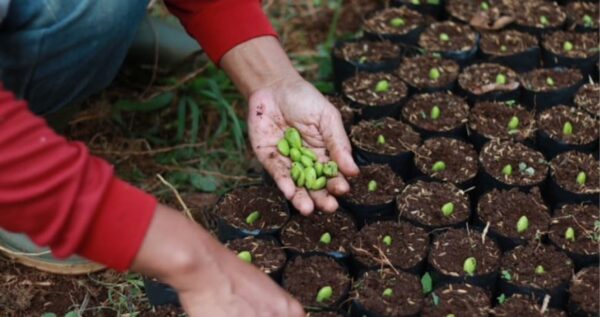
Amid climate change, land degradation, and biodiversity loss, planting native trees in Indonesia is an important step toward restoring ecosystems. As part of the world’s tropical forests, Indonesia’s native trees contribute not only to local environmental health, but also to global climate resilience. While native trees are deeply rooted in local life, their environmental benefits extend far beyond Indonesia: supporting global biodiversity, climate balance, and ecosystem resilience.
Writer: Muhammad Dimas. Editor: V. Arnila Wulandani. Photo: Y. Dessenita, Kemas Duga Muis, TN Gunung Merapi, Pexel