Skip to content

Avocado

Persea americana

Avocado

Persea americana

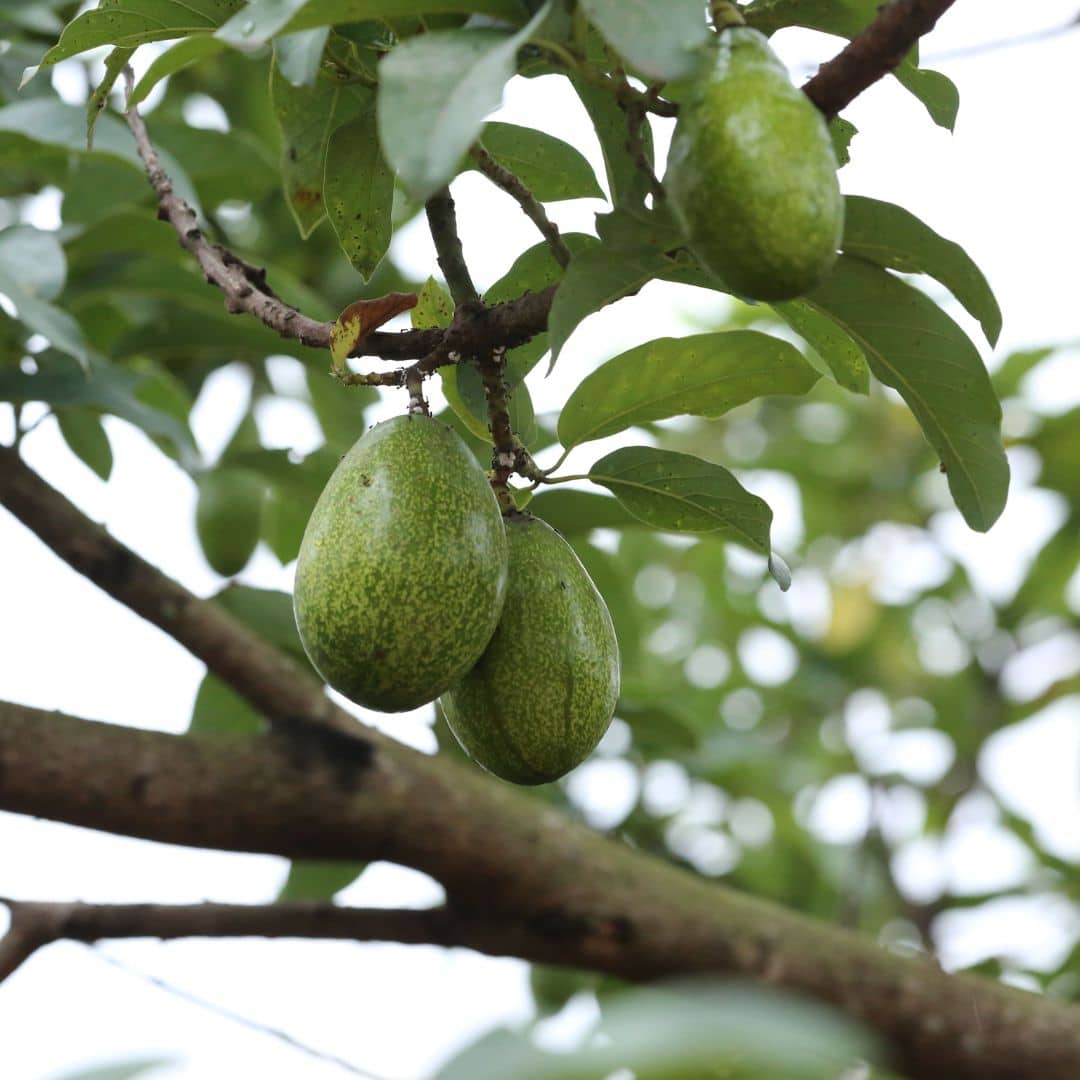
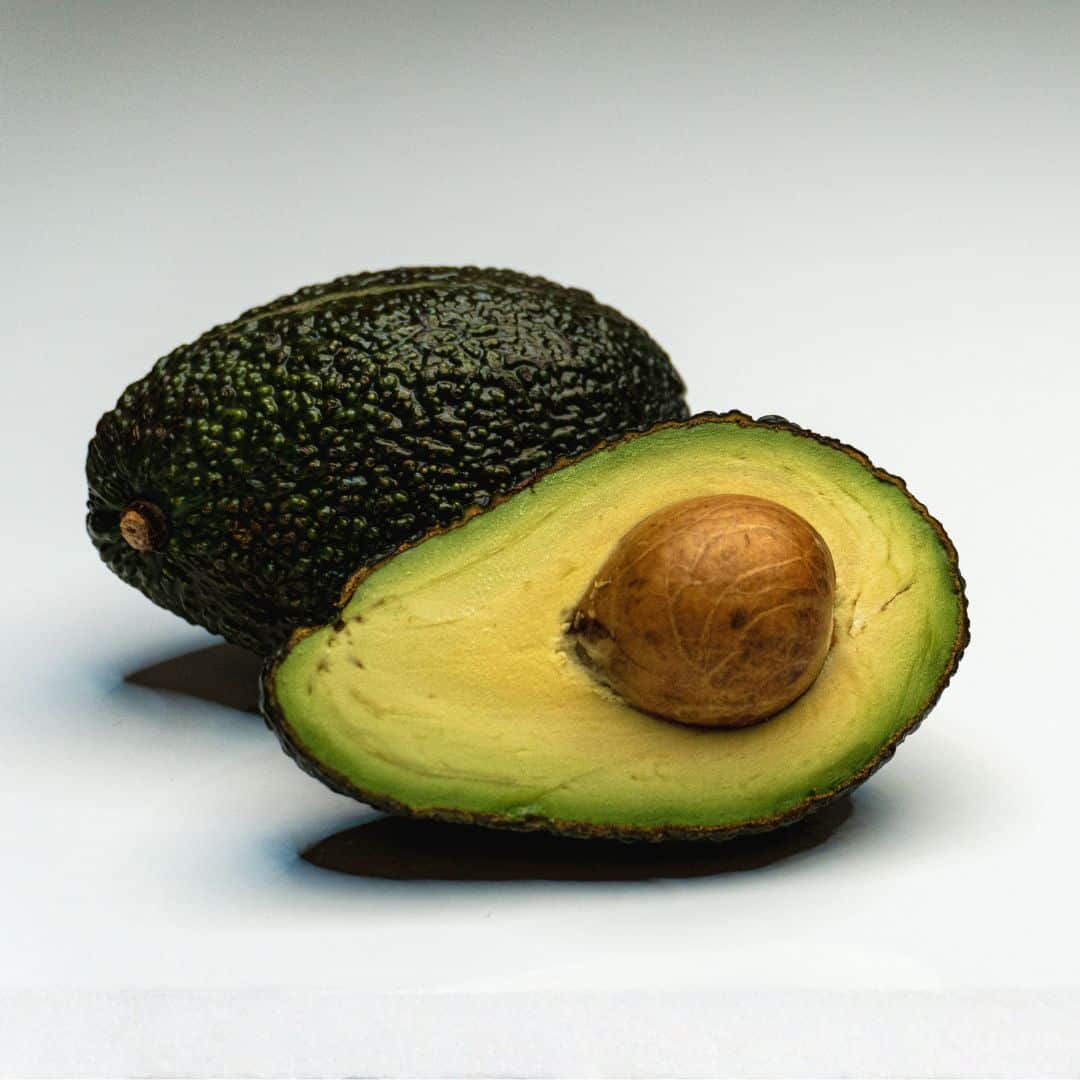
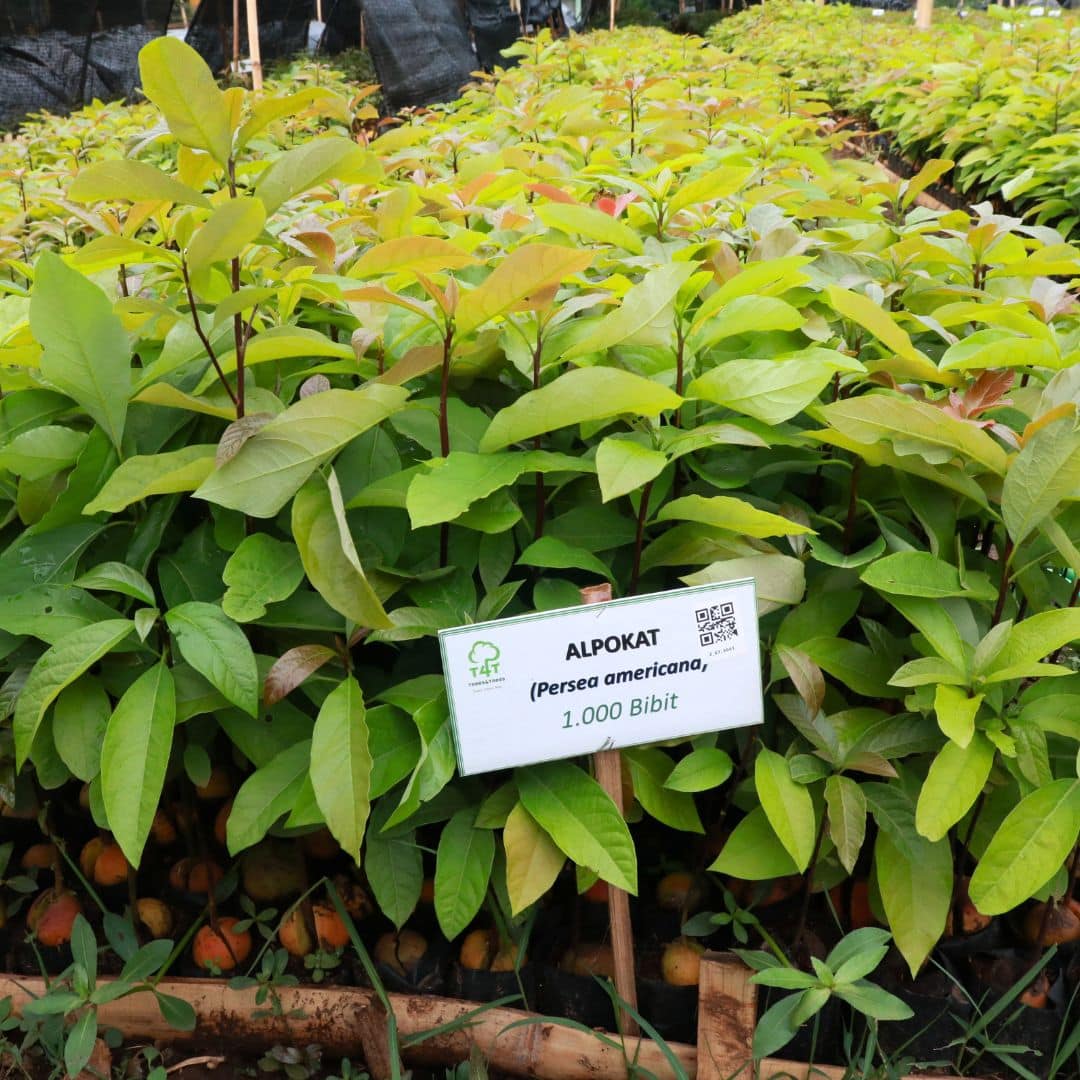
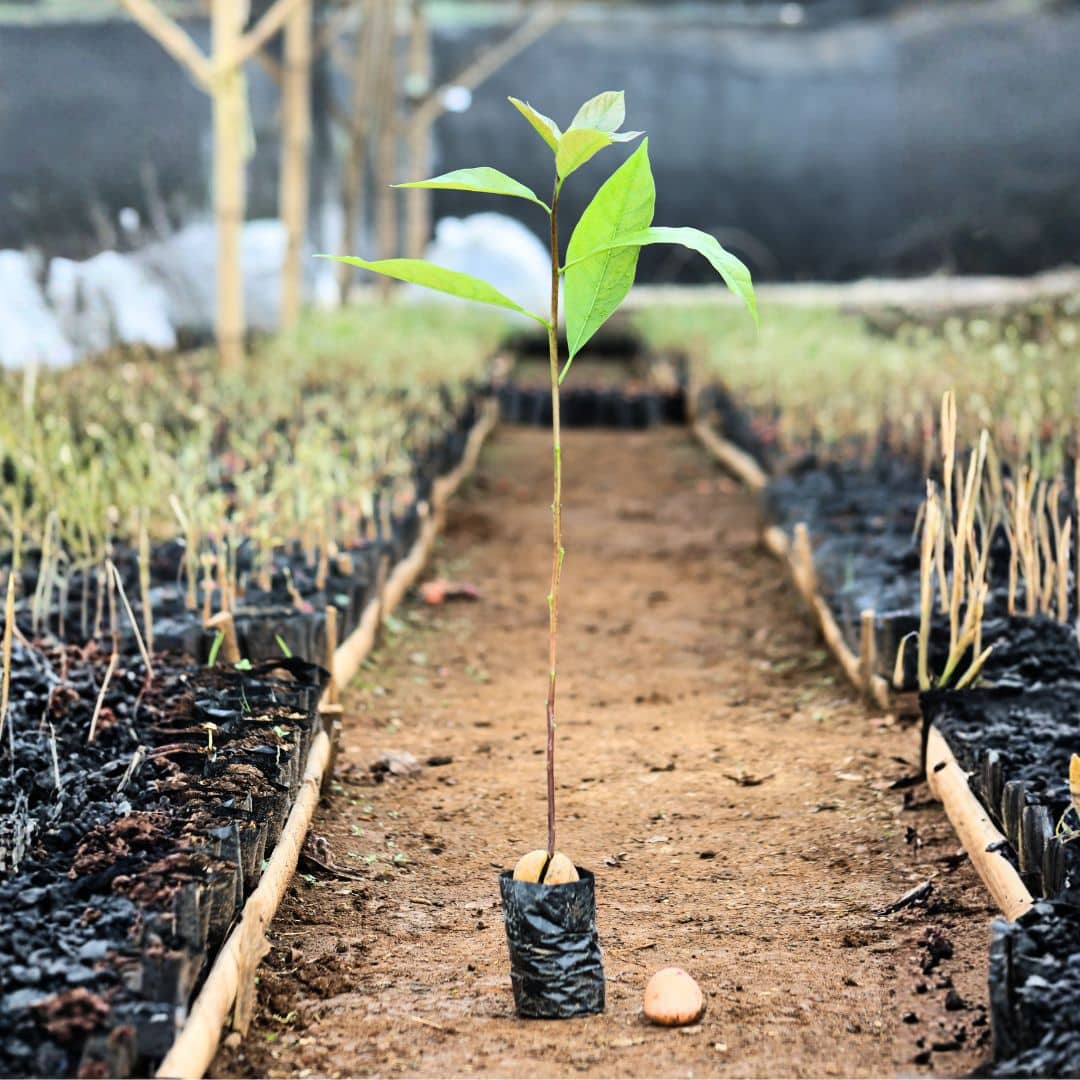
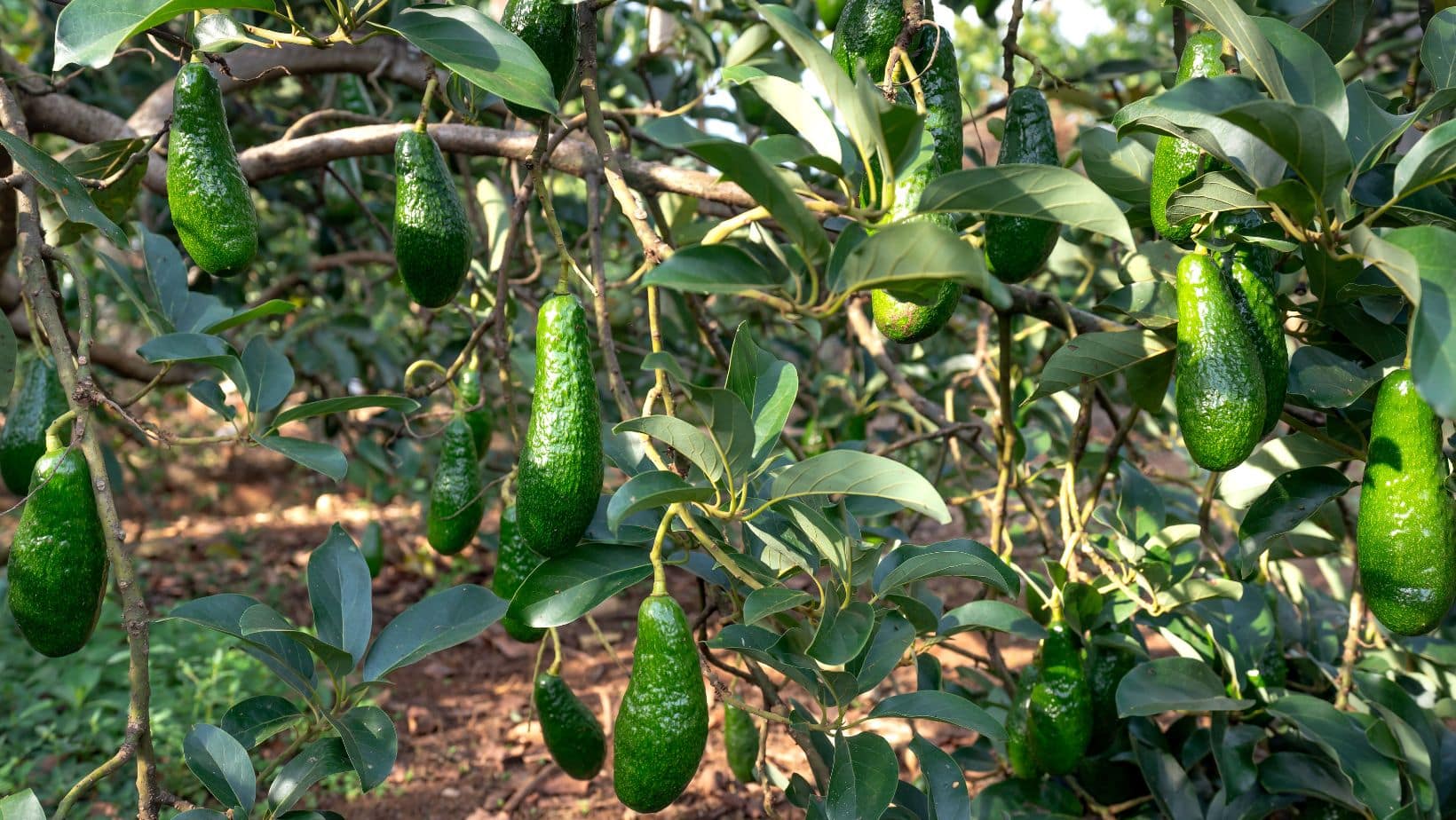
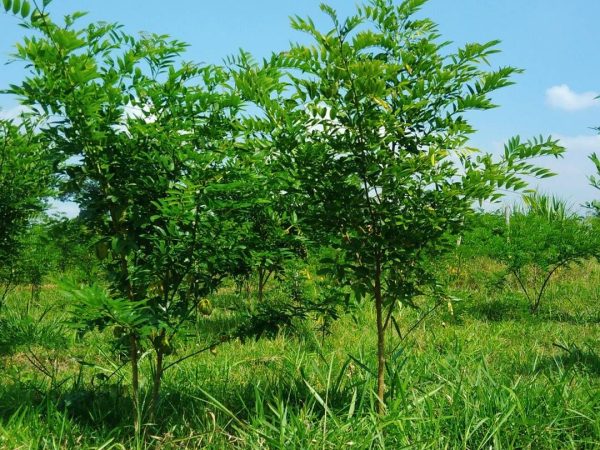
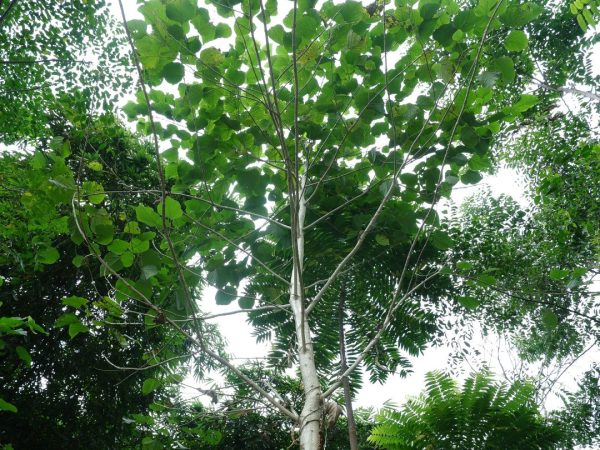
Avocado (Persea americana) is a versatile fruit tree valued for its creamy, nutrient-rich fruit and broad canopy. Native to Central America and now widely cultivated in Indonesia, avocado trees provide shade, support biodiversity, and help absorb carbon while producing fruit that is rich in healthy fats, fiber, vitamins, and minerals. Their combination of environmental and economic benefits makes them an important species in sustainable agroforestry systems.

Environmental Impact

Tree Usage

Scientific name

Persea americana

International name

Avocado

Other name

Alpukat, Alligator Pear

Tree family

Lauraceae

Status

Not Evaluated

Native distribution

Mexico and Central America

Characteristic

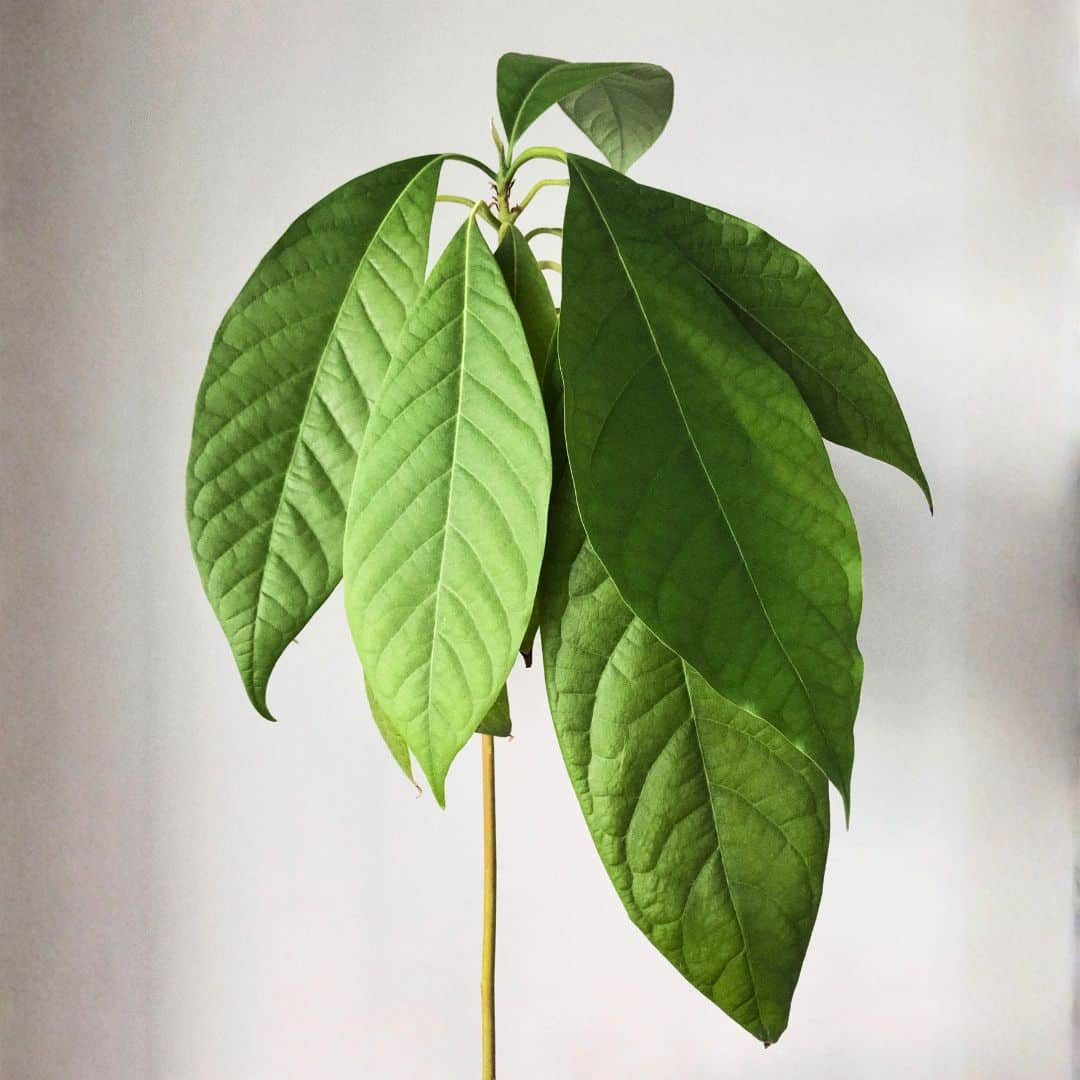
Medium to large evergreen tree, about 9–20 m tall, with a canopy that ranges from low and dense to upright and asymmetrical. Leaves are 7–41 cm long, variable in shape (elliptic, oval, lanceolate), reddish and pubescent when young, becoming smooth, leathery, and dark green when mature. Flowers are small, yellowish‑green, about 1–1.3 cm in diameter, borne in many‑flowered inflorescences.

Habitat

Avocado is native to Central and South America and now widely grown in tropical and subtropical regions. There are three principal races: Mexican, Guatemalan, and West Indian, with many cultivated varieties and hybrids

Shading & Microclimate With its dense canopy and evergreen foliage, the avocado tree provides excellent shade, helping to lower ground temperatures and create a cooler microclimate for smaller plants or livestock underneath.
Soil Conservation The tree’s extensive root system helps stabilize the soil and prevent erosion, especially on sloped terrains. The fallen leaves create a thick layer of mulch that preserves soil moisture and improves the organic matter content.
Biodiversity Support The flowers are a rich source of nectar, attracting various pollinators such as bees and wasps, which are essential for the health of the local ecosystem.
Food Source

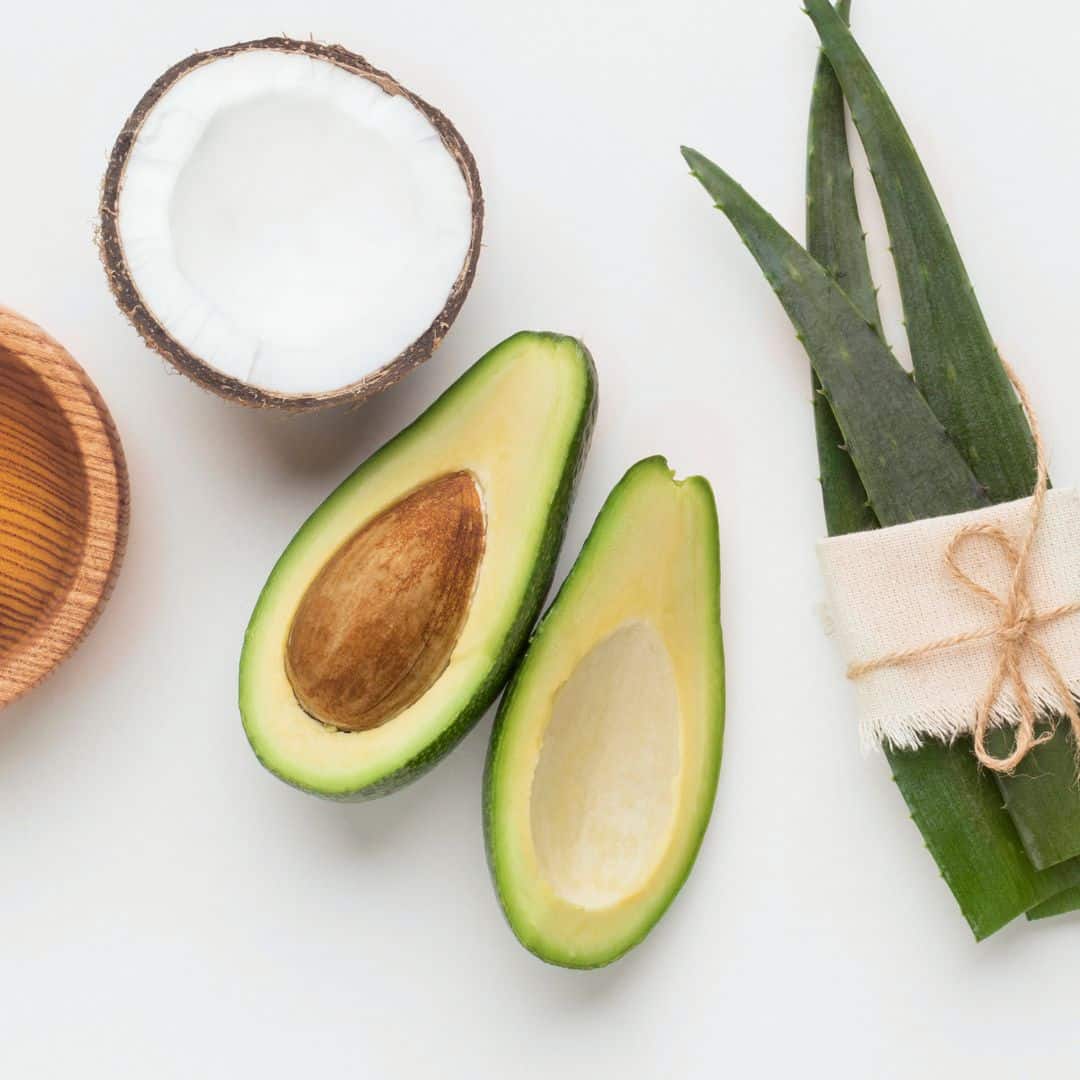
The fruit is a nutrient-dense superfood, high in healthy monounsaturated fats, potassium, and vitamins (K, C, B5, B6, and E). It is consumed globally in salads, spreads (guacamole), and even desserts or juices in Southeast Asia.
Medicinal & Cosmetics

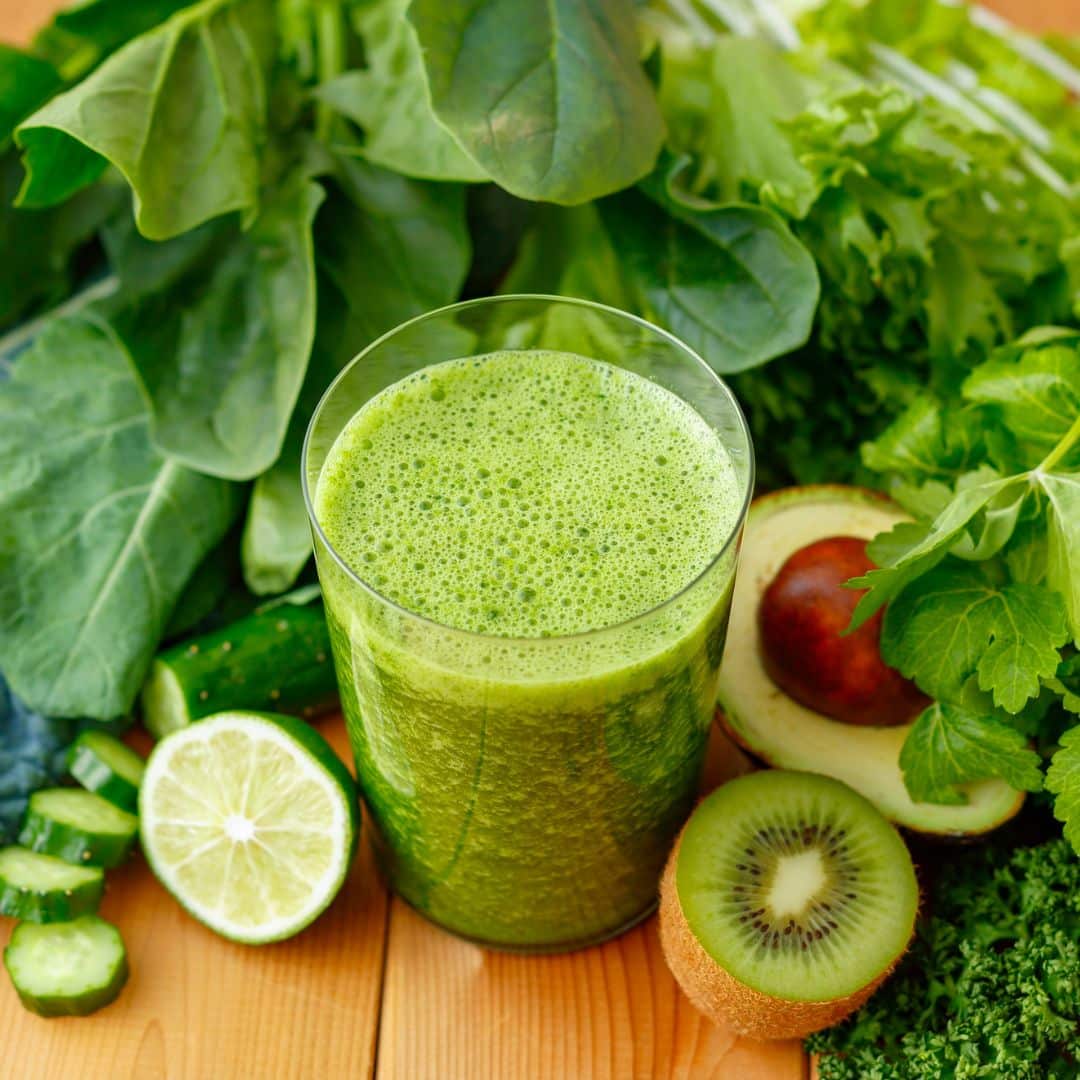
Avocado oil, extracted from the pulp, is highly valued in the cosmetic industry for its skin-moisturizing and regenerative properties. Historically, different parts of the tree (leaves and seeds) have been used in traditional medicine to treat digestive issues and high blood pressure.
Economic Value

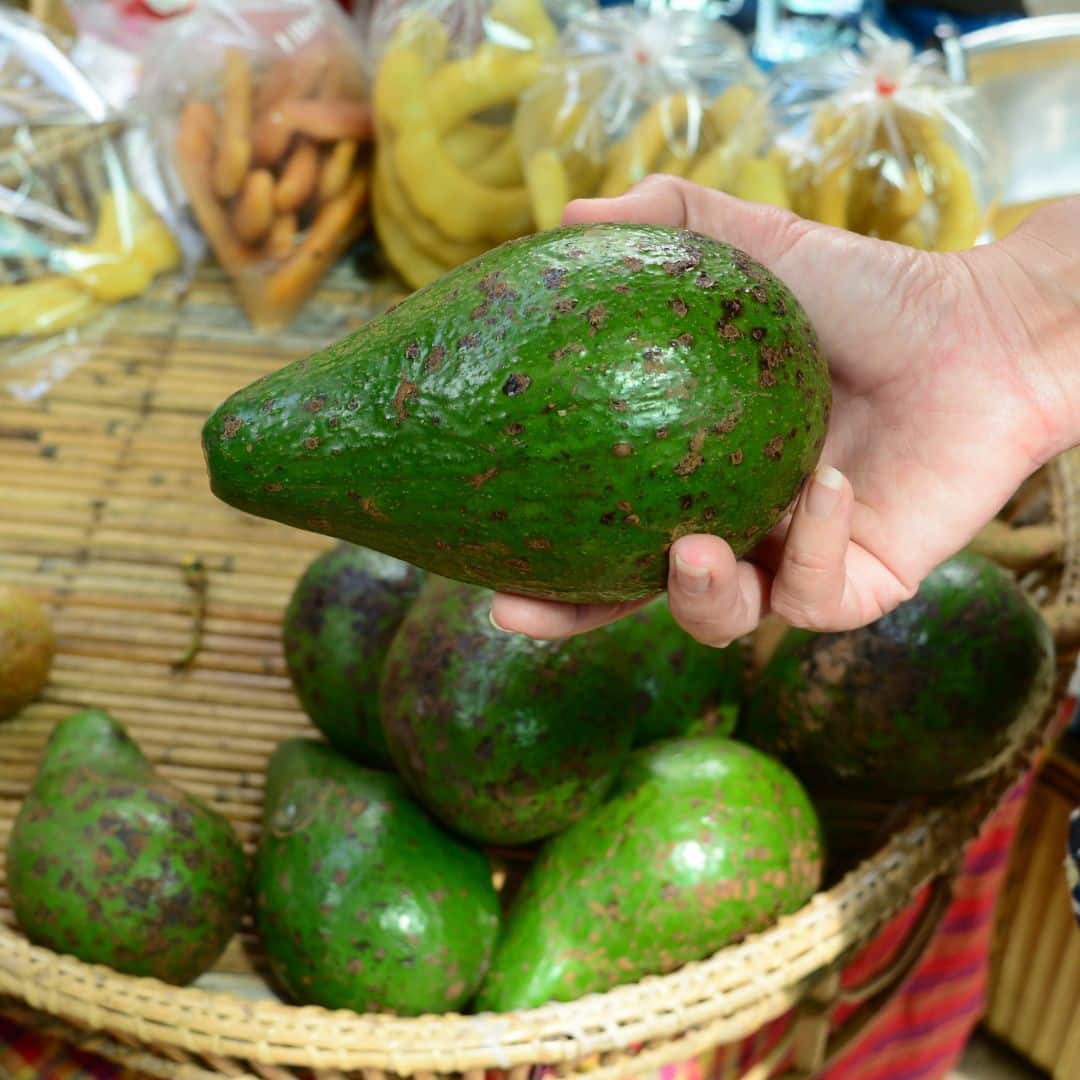
Avocado is a high-value commodity. For farmers, it offers a sustainable source of income due to its high market demand and the ability of mature trees to produce hundreds of fruits per season.
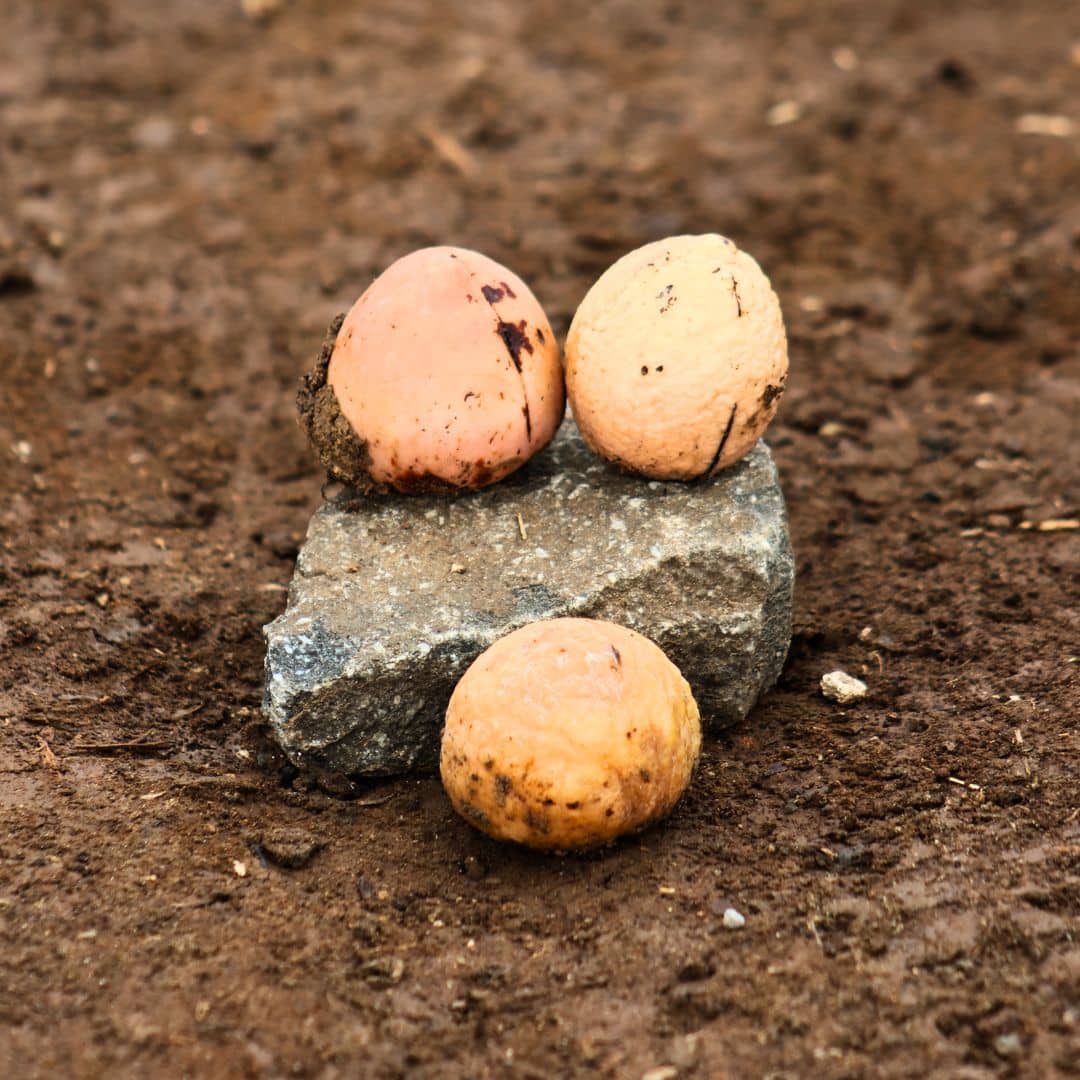
  1. Botanically, an avocado is considered a large berry with a single seed.
  2. Avocados do not ripen the tree; they only begin to soften once they are harvested.
  3. Sailors in the past used avocado as butter on their bread, calling it midshipman’s butter.
  4. The name Avocado comes from the Aztec word ahuacatl.
  1. Local farmers have developed superior varieties like Alpukat Miki, which is famous for being resistant to caterpillars, and Alpukat Aligator, known for its massive size (up to 70–80 cm long).
  2. While globally used for savory dishes, in Indonesia, it is traditionally served as a sweet treat, often blended into a juice with sweetened condensed chocolate milk. 

Discover More Trees

Persea americana
Rhizopora apiculata
Elaeocarpus ganitrus
X

Renewing the environment and empowering the local communities through the forestry and education

See your trees
X
X

Subscribe Now

Get the latest updates on our tree-planting journey – sent directly to your inbox. 

By completing this form, you agree to receive our emails. You can unsubscribe at any time. 

Subscribe Now

Get the latest updates on our tree-planting journey – sent directly to your inbox. 

By completing this form, you agree to receive our emails. You can unsubscribe at any time.