
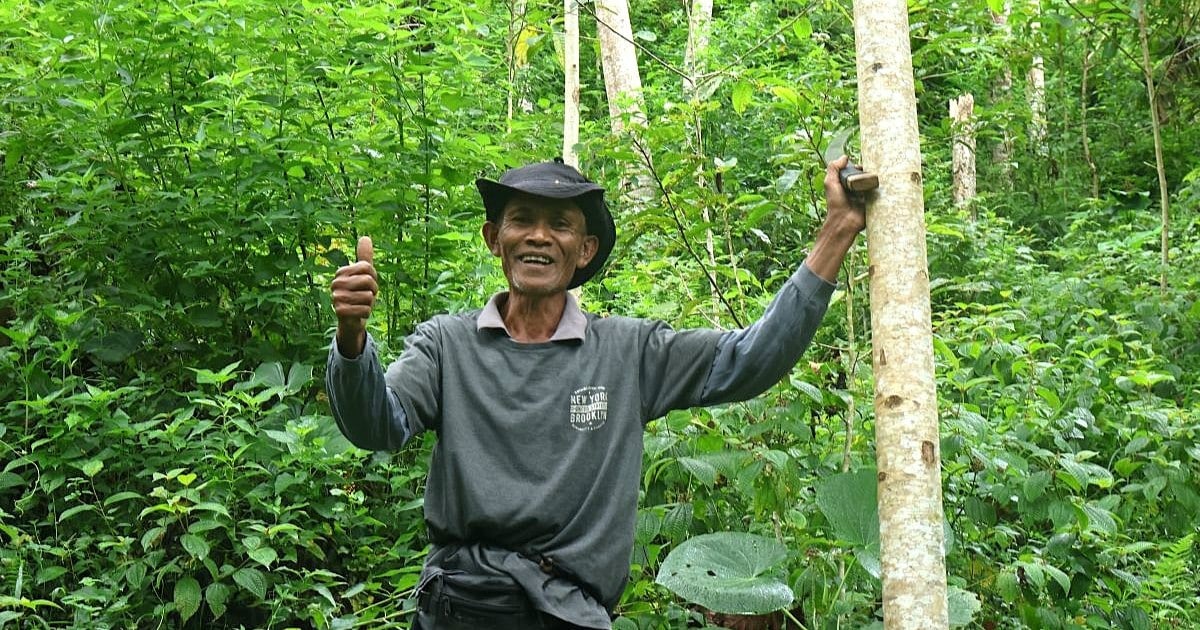
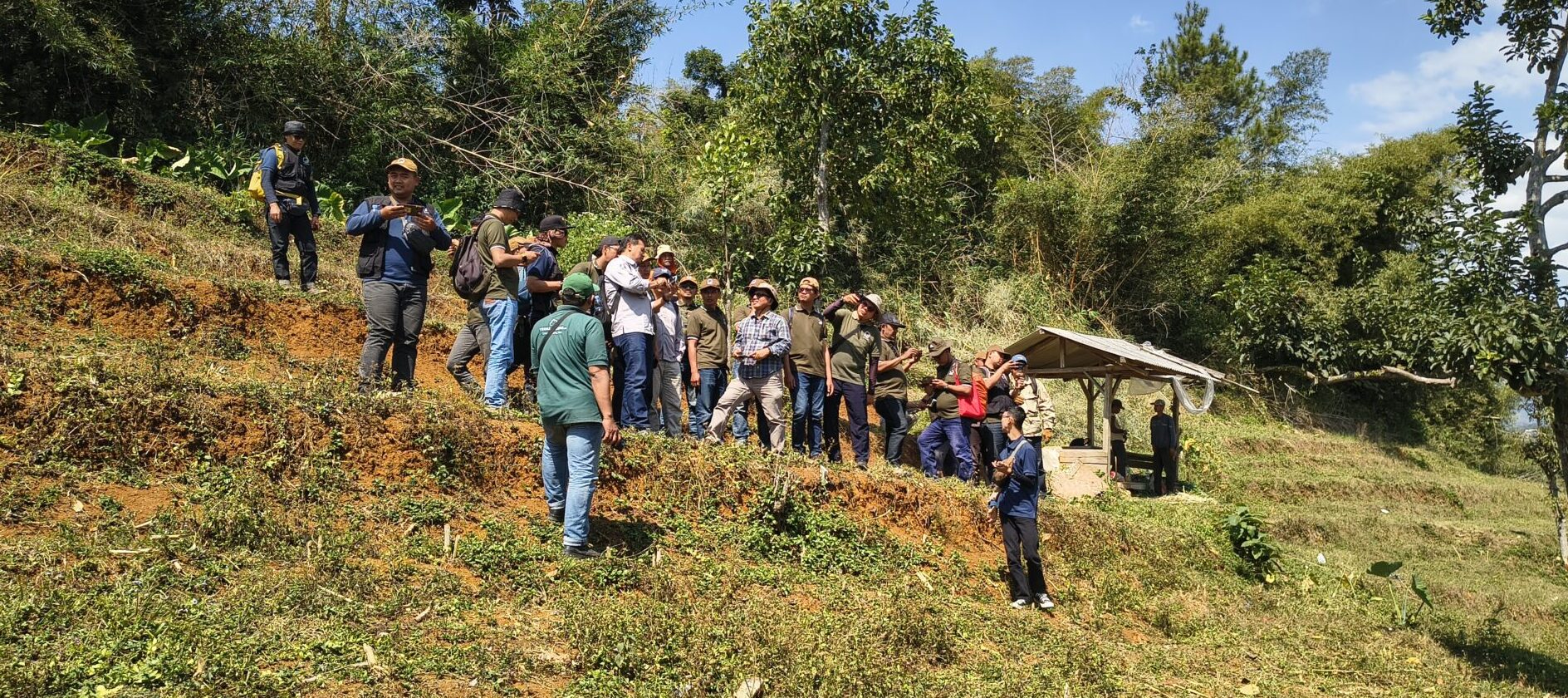
Located in the highlands of West Bandung Regency in West Java, Cinengah Village is sheltered by mountains draped in fertile volcanic soil, where abundant water sources tumble through the trees and natural riches are central to communities’ well-being. Most people here depend on the land for their livelihoods; for them, tending to the land is more than an occupation—it is a way of life, flowing through the generations like the rivers around them.
However, in recent years, increasing pressure from unsustainable agriculture and residential expansion has transformed the landscape. Among these rippling hills and valleys, landslides are an increasingly common occurrence. The life-giving water sources have also begun to dry up, with wells and springs left parched during prolonged dry seasons. These changes, and the impacts they have had on the communities living in this landscape, highlight the need for more sustainable solutions.
And these solutions are already taking shape. Farmers in Cinengah Village are determined to restore their land to its former glory. And one of them is a man named Wawan.
From Grey to Green: The Builder Who Learned to Grow
Like many people in Cinengah, Wawan makes his living from the land – managing rice fields, cultivating trees and crops, and raising livestock. But it hasn’t always been this way.
“I bought land here in 2015 after returning home from the city and have continued farming ever since,” he says. Before 2015, Wawan worked as a builder in the nearby city of Bandung., But even after many years away from home, the desire to continue his family’s farming tradition remained strong.
“Living in the village and farming is the best life for me. It brings me peace,” he explains. “This way, I can also live closer to my family.”
Putting Down Roots in His Homeland
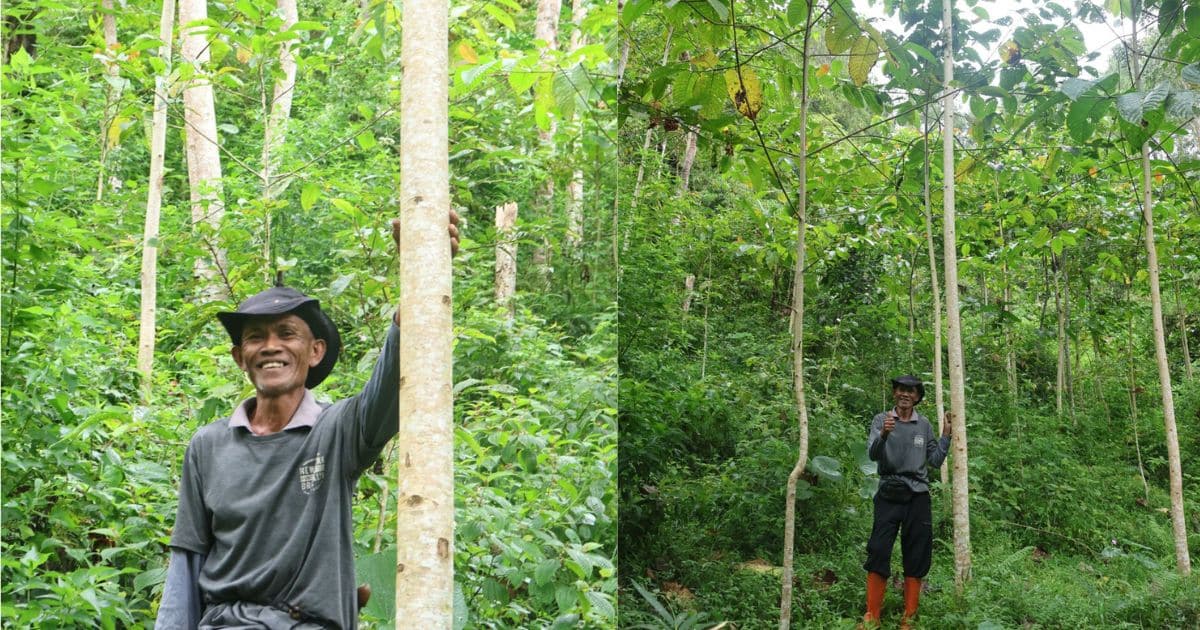
On his small family plantation, Wawan combines hardwood species such as manglid and cadamba with short-term crops like cassava and ground nuts. As part of this multi-cropping approach, he also grows coffee because, as he explains, “it only takes 3 years to bear fruit, and the price is competitive.”
Wawan also keeps sheep and believes there is a mutually beneficial relationship between livestock and farming. His flock provides him with organic fertilizer, while trimmed leaves from the trees are used as sheep feed. There’s also a financial incentive. As Wawan explains, “a healthy sheep can be sold for three-to-five million Rupiah (US$170-285).
Through a combination of multi-cropping, circularity, and business savvy, Wawan has seen his lands and his livelihood improve over time. But the one thing he wants more of on his farm is tree cover, as it can increase water retention, stabilize the soil, and provide the shade his coffee trees need to grow healthily. In 2022, when the Citarum tree-planting program—initiated by Astra Zeneca, One Tree Planted, and Trees4Trees—started in Rongga District, he jumped at the chance to register, so he could receive free seedlings for his land.
From Grower to Forest Guardian
Back in 2022, Trees4Trees provided Wawan with 150 manglid and cadamba seedlings, which he chose because they were the most suitable species for his land. In 2023, he added avocado and clove trees after seeing other farmers successfully grow them in the area, which showed him the land was also suitable for them. And the results since have proved him right.
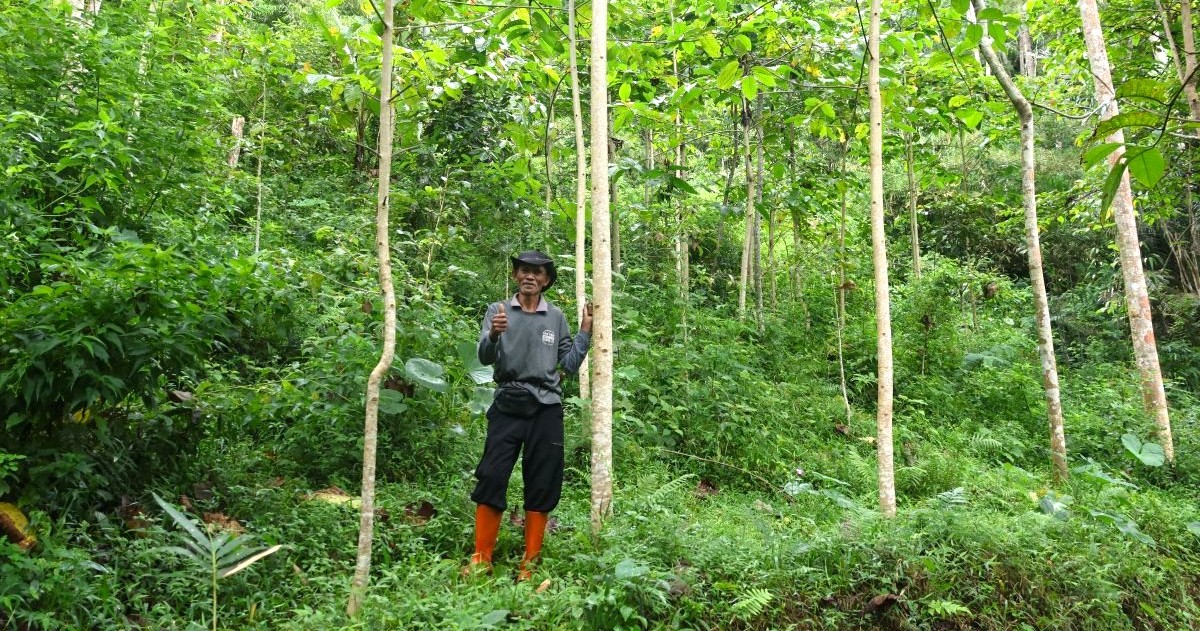
“About 75% of my trees have survived and are growing well—especially the cadamba: this tree was planted in 2022, so it’s 4 years old now, and it’s already about 7 meters tall,” he says proudly, pointing up at the branches towering overhead. “My avocado trees are also doing really well,” he adds.
With around 300 healthy trees now growing on his land, Wawan himself has grown from a farmer to the guardian of a small forest. Nature provides him, and he returns the favor; the quality of his soil has improved in parallel to ecosystem health, evidenced by a noticeable uptick in biodiversity. “Since my land became a forest, I’ve often had guests,” he says, with a smile. “Sometimes kutilang birds (bulbul), sometimes perkutut birds (zebra doves). Occasionally, even monkeys.”
A Landscape Coming Back to Life
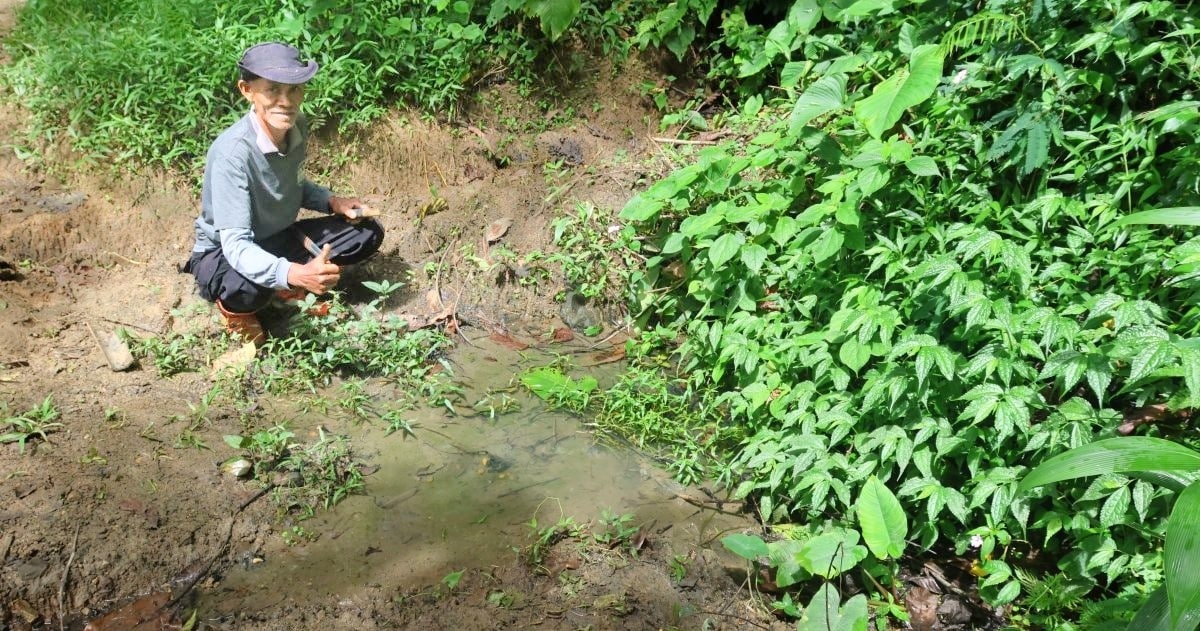
In addition to the return of wildlife, the dense tree cover on Wawan’s land is also helping revive a nearby spring. “The natural spring has been here a long time,” explains Wawan, “but the water would often be reduced to a trickle, especially during the dry season; sometimes it would almost dry up completely.”
As the trees on Wawan’s land have grown stronger, he has noticed more water flowing from the spring too. During the most recent dry season, the spring no longer dried up as it once did. “The spring keeps flowing with freshwater,” he says.
Wawan is delighted to see nature bouncing back on his land, and proud to have played a part in the process of rejuvenation. He hopes this progress, like the trees he has planted, will continue to grow over time—and even help to mitigate the landslides and water shortages experienced by his community.
Wawan’s story illustrates the many—sometime unexpected—benefits of planting trees. For local farmers and their families, for wildlife, and the natural resources on which they all depend, the future is looking brighter already. By supporting projects like this, we have an opportunity to benefit people and nature and regreen the world we share.
Writer & Photos: V. Arnila Wulandani. Editor: Chris Alexander


X


X
X