
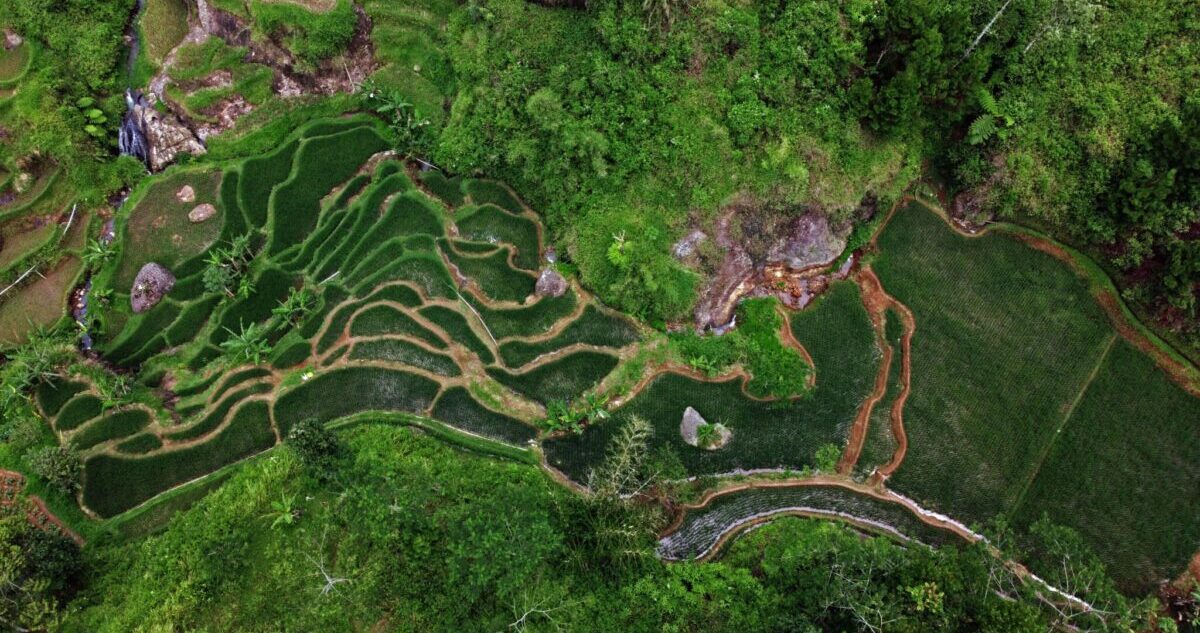
Every drop of rain that falls on the land is part of a larger system. Some water seeps into the soil, some flows through streams and rivers, and some eventually reaches the sea. Connecting these processes is the watershed, a landscape that collects, stores, and channels water from higher ground to a downstream outlet, like rivers or lakes.
Further, what happens in a watershed shapes the lives of people and ecosystems. Not only does it support functioning ecosystems, but providing essential resources for the communities and wildlife.
Healthy watersheds regulate water flows, reduce soil erosion, support agriculture, and provide habitats for wildlife. But when forests are cleared and agricultural land, or settlements, and other infrastructure expand; watersheds function will become increasingly under pressure.
Restoring vegetation across watersheds is more than planting trees. It is about the whole landscape to regain its natural functions, capturing rainfall, holding the soil, storing and regulating water again, and supporting the people and ecosystems that depend on it.
Why Watersheds Matter?
A watershed serves as a connected system. What happens upstream can affect communities and ecosystems downstream. Forests and other vegetation play a crucial role in this connection. Tree canopies help intercept rainfall and slow down water as it moves across the land. The roots allow more water to infiltrate into the soil and help bind soil, reducing sediment carried into streams and rivers. Vegetation along waterways also help stabilize riverbanks, while providing habitat for aquatic and terrestrial wildlife.
When these natural functions remain intact, watersheds are better in regulating water in both wet and dry periods. But when forests and vegetation are cleared and replaced with settlements, roads, intensive agriculture, or other land uses, these functions can become disrupted as rainfall can run off the surface more quickly, carrying exposed soil with it.
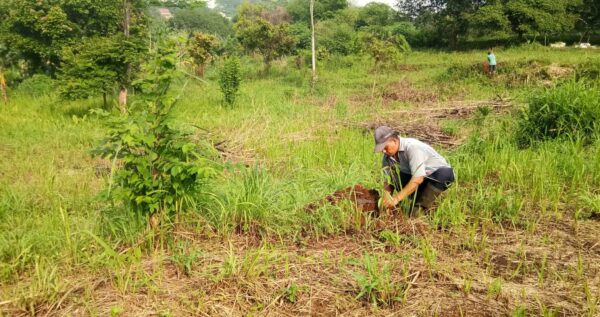
One particularly important part of a watershed is the land alongside rivers and streams, known as riparian areas. These areas connect land and water which support both aquatic and terrestrial ecosystems, such as offering shelter, food sources, and movement of corridors for wildlife. Protecting and restoring riparian areas therefore not only benefits the waterways, but also wider watershed.
When Land Conversion Changes the Water Cycle
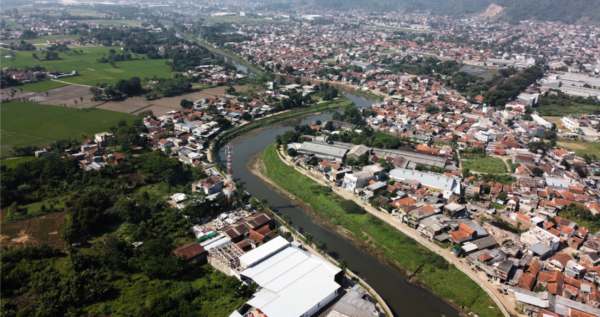
Across many landscapes, watersheds are under pressure as populations grow and economic activities expand. Many forests and other vegetation are converted into agricultural fields, settlements, plantations, roads, and other developments.
The effects of the conversion can be particularly significant in areas with steep slopes or areas that experienced urban development and agricultural expansion. When vegetation from these areas is removed, soil can be directly exposed to rainfall, and surface runoff can increase. Over time, these changes can gradually affect the ecological functions of watersheds and the communities that depend on them.
Minan, Manager of Project at Trees4Trees, explained thatwatersheds are closely connected to people’s everyday lives. “When a watershed is healthy, water resources are better protected, erosion can be reduced, and surrounding ecosystems can remain healthier.” He emphazised that it is not simply about planting trees, but about protecting an interconnected system.
Restoring Watersheds Through Tree Planting
Restoring vegetation is one way to help rebuild watersheds ecological functions. Trees can contribute to improving soil structure, strengthening slopes, increasing water infiltration, and reducing erosion.
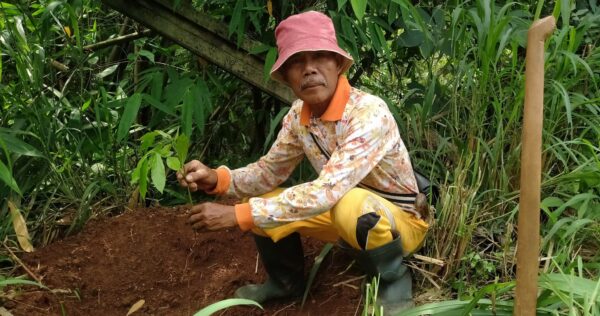
For Trees4Trees, watersheds are an important landscape for restoration as declining tree cover can affect soil, water, ecosystems, and local communities at the same time. According to Minan, a watershed is a critical area of for restoration. “Our tree-planting initiatives help gradually restore the watershed’s functions that connected to entire ecosystem.”
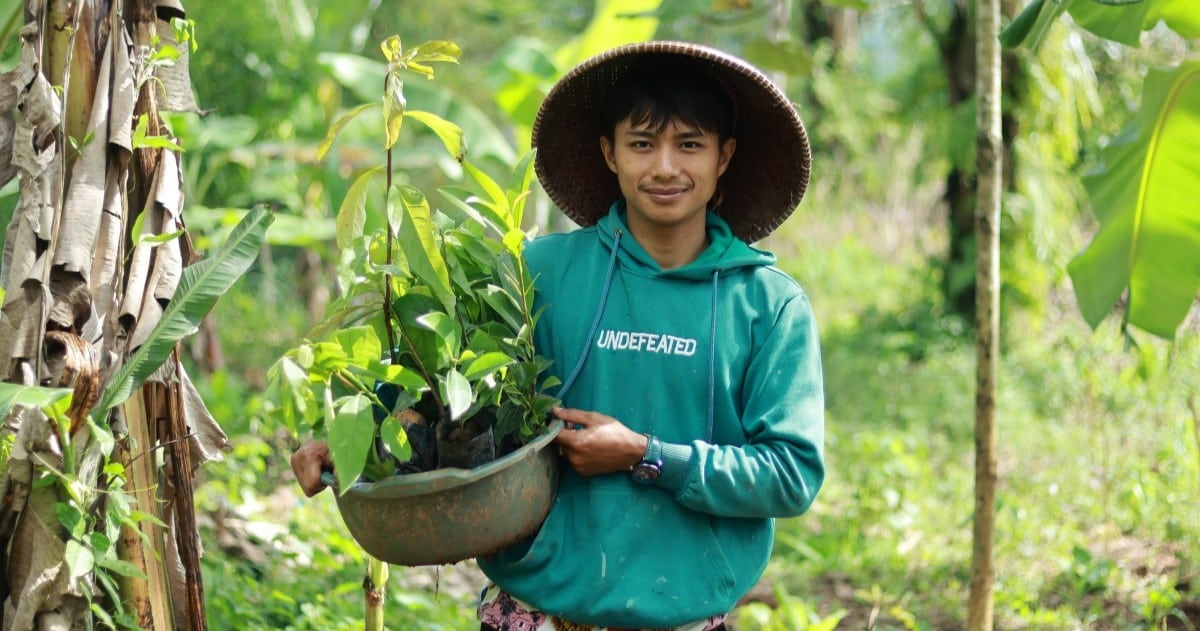
Together with local communities, Trees4Trees works to restore degraded areas within watersheds in Java and Bali, improving the ecological functions on the landscape while also supporting local communities.
However, restoring watersheds therefore not only requires trees, but a landscape-level approach thatprotecting remaining forests, restoring degraded land, maintaining riparian vegetation, and working with communities to manage land sustainably.
Trees are one part of this process, but they can play an important role in rebuilding the natural functions that healthy watersheds provide. By restoring degraded landscapes through tree planting, we can help watersheds that are better able to retain soil, regulate water, support biodiversity, and sustain communities for today and for generations to come.
Writer: Muhammad Dimas. Editor: V. Arnila Wulandani. Photos: Yulianisa Dessenita

X


X
X
No comment yet, add your voice below!