
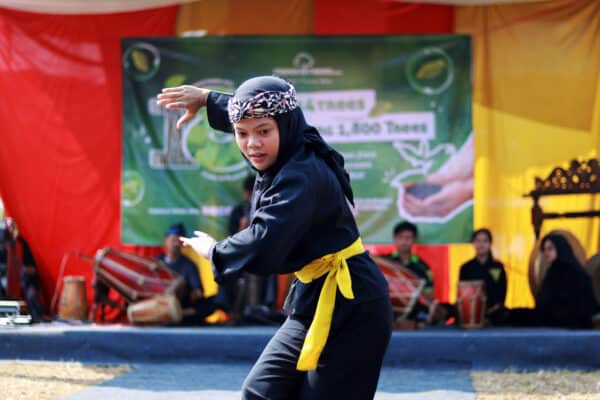
In many indigenous communities in Indonesia, indigenous knowledge has long been central to their relationships with people and nature. It passed down from generation to generation through oral traditions and customary practices. Pencak silat is one of the most valuable cultural heritages that exist to this day. It is not just a traditional martial art for self-defense, but also retains the values of discipline, humility, and respect for each other.
For many West Java communities, pencak silat has become a bridge between past and present. Throughout history, the tradition has survived social and political changes and remains rooted in local identity. More than physical training, pencak silat teaches younger generations that true strength lies not in defeating others, but in mastering ourselves and living in balance with the world around us.
Asep Suhendar, a pencak silat instructor in West Bandung, carries these values forward as family tradition passed down since 1982. For more than four decades he has dedicated himself to teaching hundreds of young people, ensuring that pencak silat remains more than a cultural performance or martial art but a living heritage, carrying the wisdom of past generations into the future. Through the dedication of practitioners like Asep, pencak silat has also gained recognition on the international stage. “We have performed pencak silat in several European countries,” Asep shared.
A Tradition That Survived Through Generations
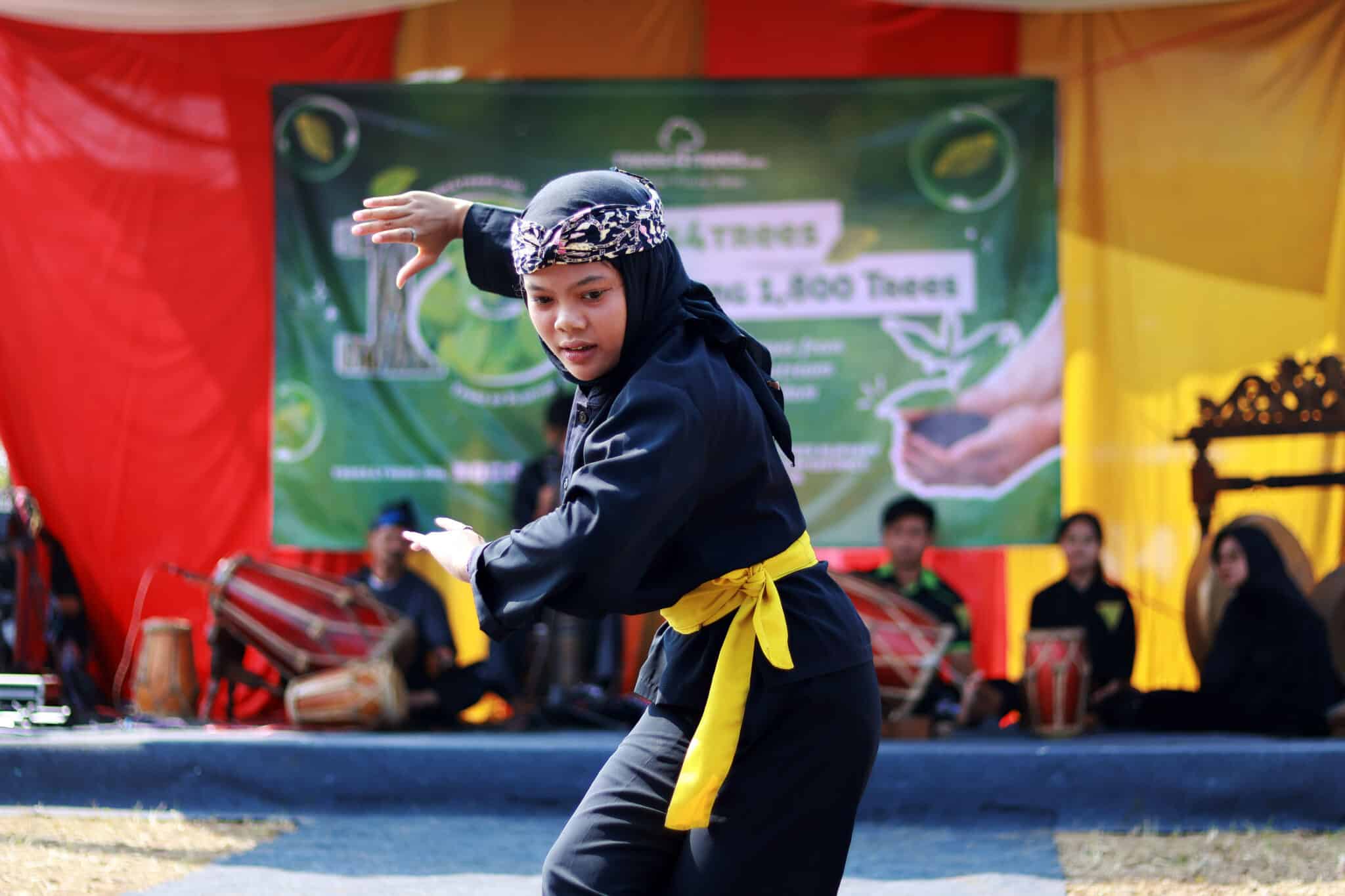
Back in the colonial times, according to Asep, martial arts were not allowed to be practiced. Rather than discarding the tradition, local communities came up with ingenious ways to safeguard it. The martial art demonstrations were disguised as cultural performances with traditional musical instruments, allowing the practice to continue as public entertainment.
“They could not prohibit performances because they were considered community entertainment,” Asep shared. “But behind the performances, our community continued practicing the movements”.
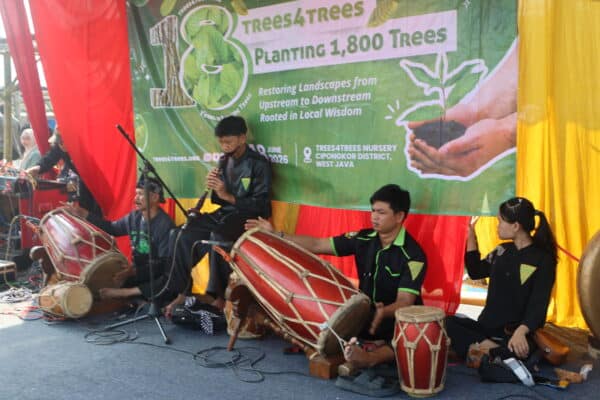
Asep said, t music was part of the identity. As opposed to the gamelan performances with bonang and saron, the traditional pencak silat performance was predominantly supported by kendang teramak, a traditional Sundanese drum, accompanies pencak silat performances, providing rhythmic cues that shape the flow and intensity of the practitioners’ movements, alongside gongs and trumpets that follow their every move.
Learning From Nature
Many traditional movements grew out of observation of animals. Practitioners observed the movements of tigers, snakes, grasshoppers, and other animals, and incorporated their balance, agility, and defense techniques into martial arts movements. Nature was both a teacher and inspiration.
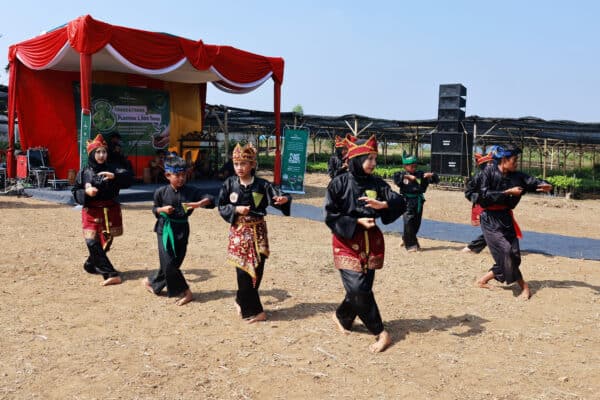
Today, young children are not taught these observations in detail, but the principles behind them have not changed. Asep teaches his students that humans should learn from nature, not dominate it. Students learn to respect one another when they speak; they are not arrogant, and they use every encounter to build relationships instead of conflict.
Asep believes that regular training gives them meaningful activities that build up their physical and social connections. The weekly practice helps the children to make friendships across the villages and to learn responsibility and discipline from the older practitioners.
Culture and Nature Conservation Walk Together
Protecting the environment in which indigenous culture was born inseparable from preserving the culture itself. For Asep students, spending time regularly in the surrounding mountains, they learn to appreciate forests and to know why trees should be protected and not exploited.
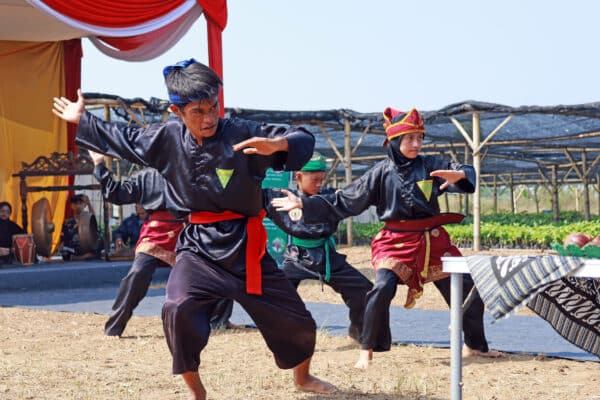
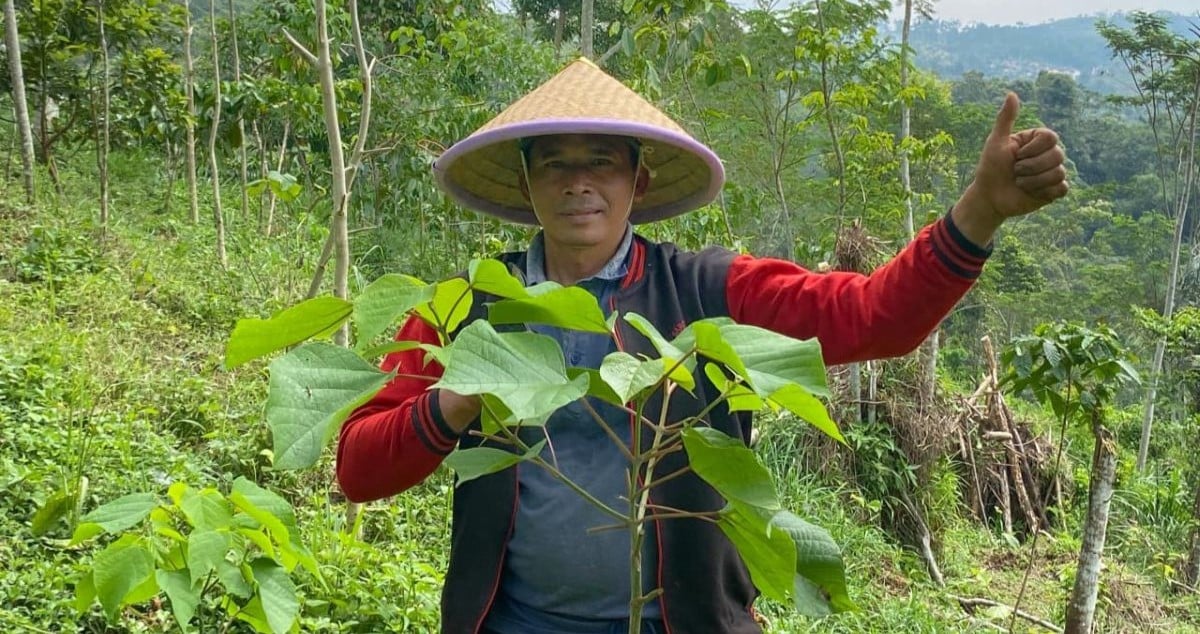
Common knowledge has naturally linked the local pencak silat community to environmental restoration activities taking place nearby. Asep’s students and their families have been heavily involved in tree planting and nursery activities together with Trees4Trees, looking after seedlings that will one day restore degraded landscapes.
Seeing young martial artists involved in growing trees fills him with pride. “I hope more of our children can be involved in the Trees4Trees nursery,” he said. “I’m grateful that this initiative also cares about our local culture.”
Indigenous Knowledge for Future Generations
The International Day of the World’s Indigenous Peoples is an annual reminder that Indigenous knowledge is so much more than stories and ceremonies. It is sustained by routine practices, community traditions, and ways of imagining the relationship between people and nature.
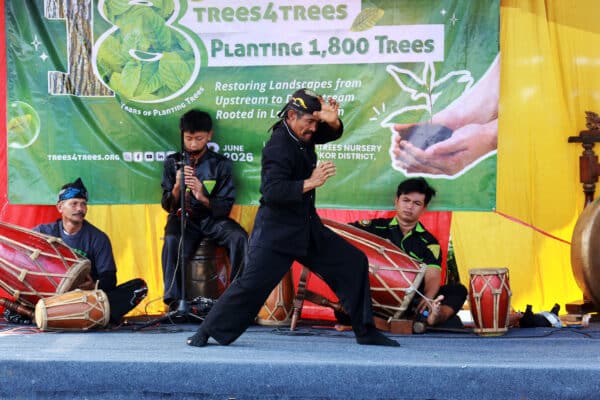
In West Java, pencak silat serves as one of traditional practices that preserve local wisdom. Each time a teacher instructs a student, the teacher is transferring generations of cultural memory. Humility builds community one lesson at a time. And every tree planted by these young practitioners shows that protecting culture and protecting nature are not separate endeavors; they are part of the same legacy.
Writer: Muhammad Dimas. Editor: V. Arnila Wulandani. Photos: Yulianisa Dessenita, Muhammad Dimas.
X



X
X
No comment yet, add your voice below!