
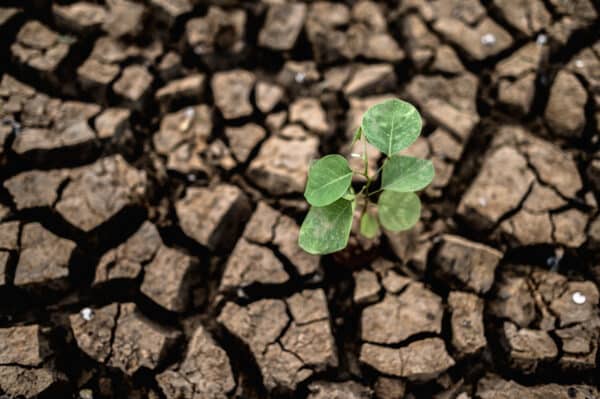
Clear skies and scorching sunlight directly expose the earth without clouds filtering the heat. This condition marks onset of the dry season in several regions of Indonesia. However, more than just an ordinary dry season, this year, Indonesia is predicted to experience a Godzilla El Niño – a condition with a very strong intensity of El Nino. This term is used by scientists to describe a strong El Niño in 2015.
Basically, El Niño is a climate phenomenon that occurs naturally. However, the increasing climate change intensity is driving this event to become more frequent and worsen its impacts. After experiencing recent El Nino in 2023, this year seventy percent of Indonesia’s territory is predicted to be affected by El Nino again – and this time is Godzilla El Niño.
How Does Godzilla El Niño Formed?
El Niño is a climate phenomenon that occurs when sea surface temperatures in the central Pacific Ocean rise above normal levels. This warming can change wind patterns and reduce rainfall in Indonesia, increasing the risk of drought.
Compared with a typical El Niño, a “Godzilla El Niño” refers to an exceptionally strong El Niño event, characterized by sea surface temperatures rising significantly above normal levels. While a conventional El Niño is generally associated with anomalies of around 1.5°C or more, an extreme event can reach approximately 2°C or higher.
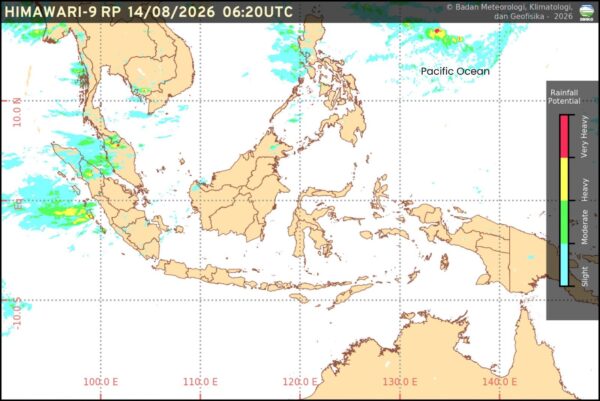
According to Erma Yulihastin from the Research Center for Climate and Atmosphere, National Research and Innovation Agency (BRIN), sea surface temperatures in the Pacific Ocean can rise by 0.2°C within just two weeks. Such rapid warming can cause El Niño conditions to shift quickly from moderate to strong, with potential to intensify further into what is known as a super El Niño or Godzilla El Nino.
Impact of Godzilla El Niño on Indonesia
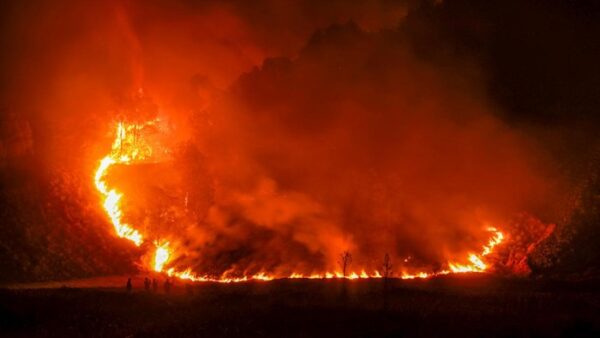
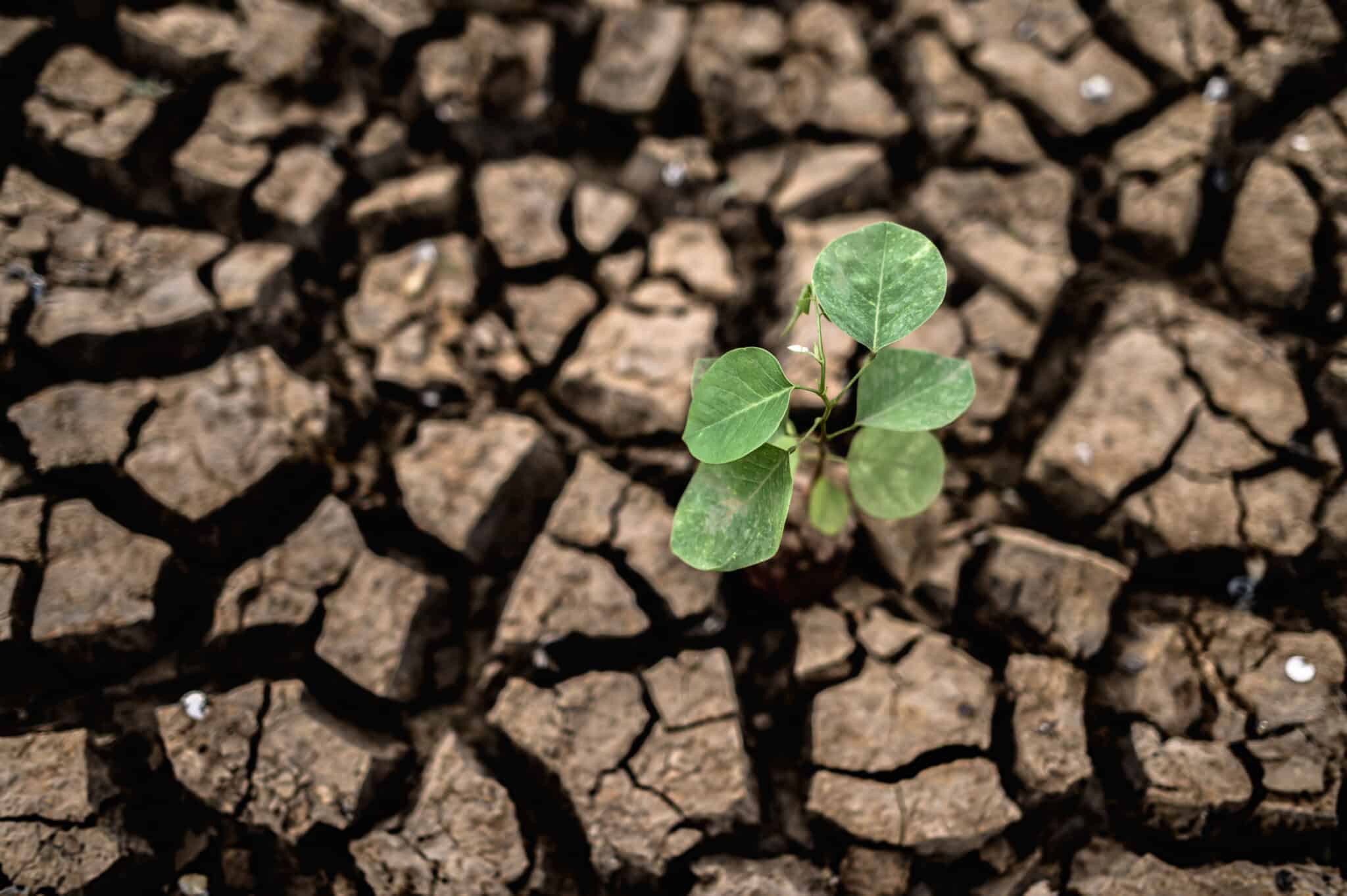
Based on Indonesia’s Meteorology, Climatology, and Geophysical Agency (BMKG) report until August 2026, more than 7,500 El Nino hotspots have been recorded in Indonesia. This will increase the threat of forest and land fires in Indonesia, especially peatlands, causing huge amount of carbon to be released into the atmosphere and worsening climate crisis.
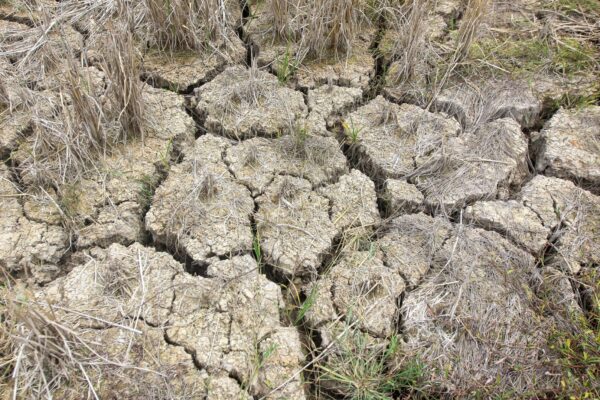
In addition to forest landscapes, agricultural lands are also predicted to be the ones that are affected by El Niño. According to a report from Ministry of Agriculture, an area of 30,000 hectares of agricultural land in Indonesia has experienced drought due to prolonged dry season with farmer communities are most affected.
Tomi Bustomi, Trees4Trees’ Regional Manager in West Java, expressed his concern about the potential impacts, particularly the risk of seedling and young tree mortality and the increased risk of fires around Trees4Trees’ project areas. “We are currently strengthening our preparation to encounter the worst case of El Nino. We ensure all facilities and equipment at nurseries and planting sites are well maintained and ready to support watering needs throughout the dry period.” said Tomi.
How Trees4Trees Is Preparing for Godzilla El Niño
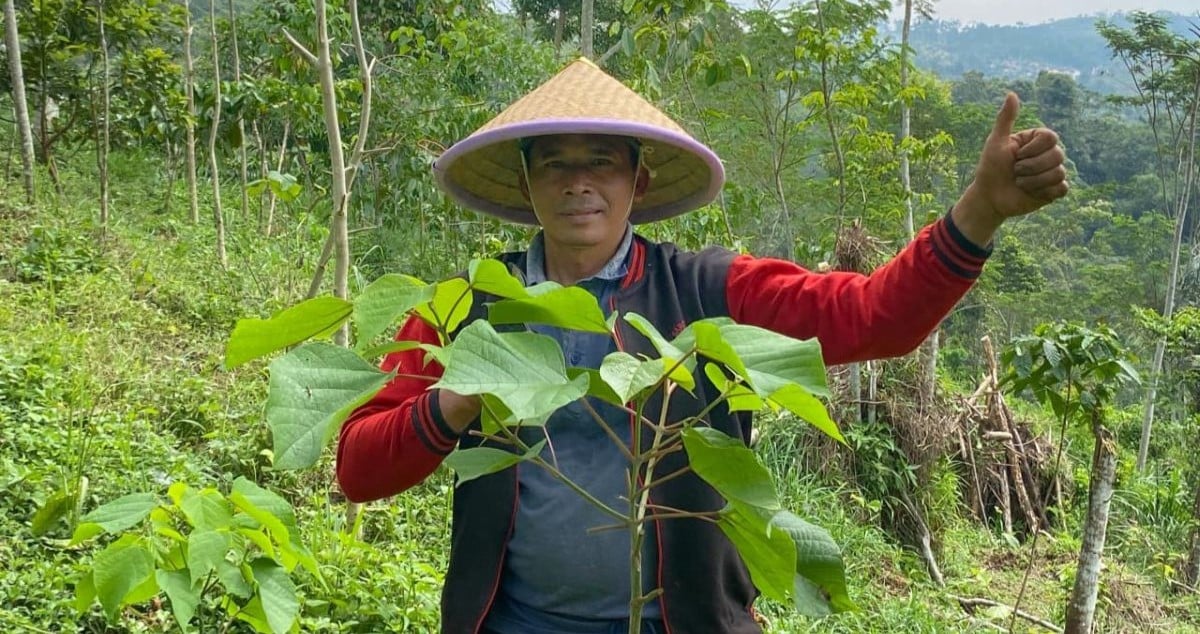
In addition to strengthening weather monitoring and field preparedness, with support of BRIN, Trees4Trees identifies tree species that are more drought-resistant and better suited to withstand the risks associated with El Niño. At the same time, farmers are encouraged to adopt water-conservation measures such as organic mulching, infiltration pits, dead-end trenches, and water ponds. Weather data from BMKG is also being analyzed alongside local weather monitoring to help Trees4Trees team adapt the tree-planting activities for optimal conditions.
At nurseries, shading nets are optimized, and water pumps are maintained to ensure adequate watering throughout the dry period as part of the strategy.
“Our priority is to make sure seedlings remain healthy and have sufficient water throughout the dry season. We have installed shading nets for seedlings in open areas, closely monitored water availability, and ensured that our water pumps are always ready to operate,” said Saepudin, Trees4Trees’ Nursery Manager in West Bandung, West Java. “Maintaining a reliable water supply remains our key priority, as water is essential to nursery operations and seedling growth,” Saepudin continues.
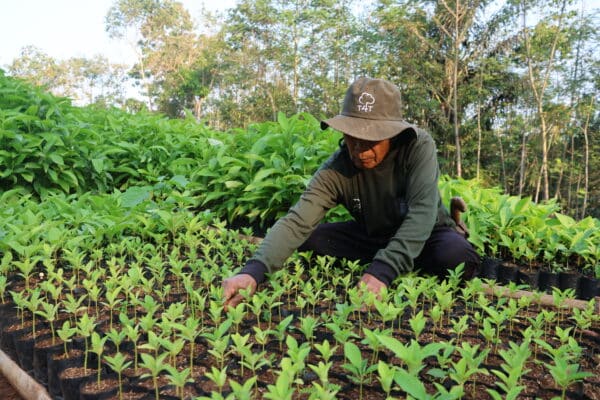
Trees4Trees is also involving Indonesia’s National Research and Innovation Agency (BRIN) to select tree species for nurseries. Those more tolerant to dry conditions, such as yellow magnolia, albizia, and white teak, have been recommended as having greater potential to thrive during the dry season.
These efforts reflect Trees4Trees commitment to protecting seedlings and ensuring that restoration efforts remain resilient, even as climate conditions become increasingly unpredictable.
Although El Niño is a natural phenomenon, its impacts are not inevitable. Building resilient landscapes through tree planting and forest restoration will help communities, particularly farmers, to better prepare climate extremes and reduce risks associated with El Niño. Trees4Trees’ efforts to restore degraded forests and work alongside local communities demonstrate how such actions can strengthen resilience in the face of a changing climate.
Writer: Muhammad Dimas. Editor: Vironica Arnila Wulandani. Photo: Yulianisa Dessenita, BMKG, NSTP, Publika.
X


X
X
No comment yet, add your voice below!