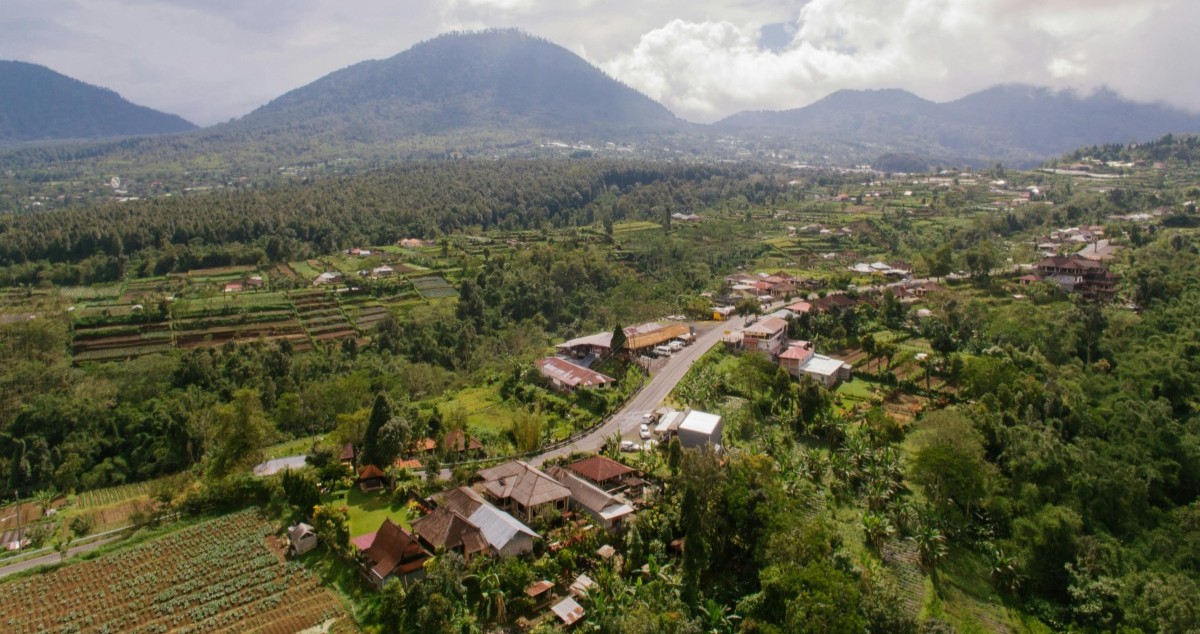
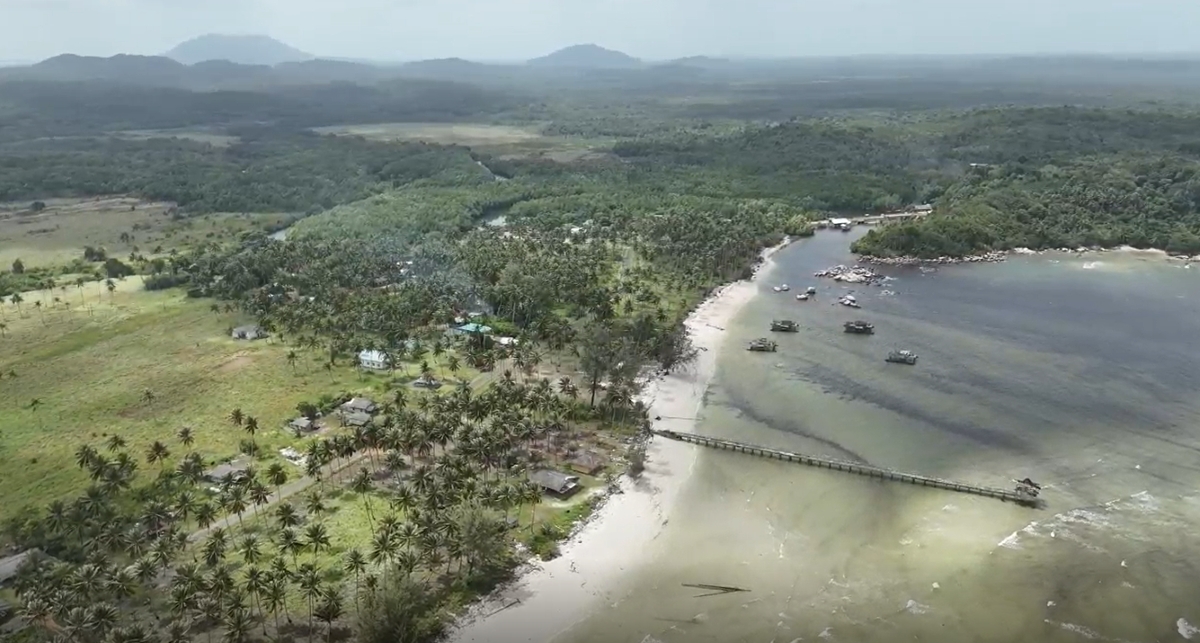
Bintan Island is the largest island in the Riau Archipelago, Sumatra, Indonesia, covering 1,173 square kilometers. Located just 40 kilometer or a short sail from Singapore, the island offers breathtaking coastal landscapes. Beyond its white sand beaches, which serve as nesting grounds for sea turtles, Bintan is also home to extensive mangrove forests and seagrass meadows.
Spanning 8,553 hectares of mangrove forests and 2,094 hectares of seagrass meadows, these ecosystems serve as vital habitats for diverse wildlife, including endangered species dugong (Dugong dugon). Together with the surrounding coral reefs that support abundant marine biodiversity, Bintan’s coastal ecosystems create vibrant natural sanctuary. Not only critical for wildlife, but these ecosystems also support the livelihoods of local communities, most of whom depend on fisheries and tourism.
“Most of us have been fishers for generations, relying heavily on fisheries and other marine resources. However, later, we have discovered another potential in our village. We have a magnificent coastal and marine landscape that we realized could be developed further through environmental services, particularly as a tourism attraction,” said Iwan, leader of the Conservation Education Group of Pengudang Village, one of the coastal villages on Bintan Island.
Mangrove Degradation in Bintan Island
Located near Singapore, Bintan Island stands both a strategic gateway and a leading tourist destination, known for its luxury resorts. However, decades of tourism and development have come at an environmental cost. Many coastal areas face increasing human-driven pressures. Between 2014 and 2021, more than 450 hectares of mangroves were lost due to tourism expansion, industrial development, and aquaculture – placing serious strain on ecosystems and coastal communities.
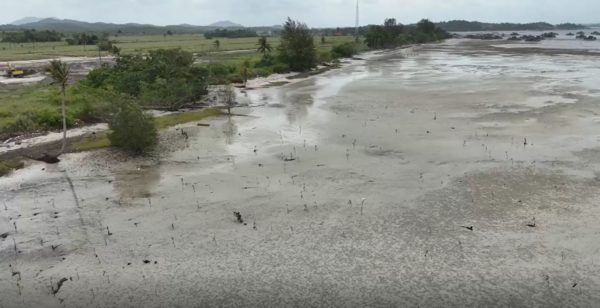
“Most of Bintan Island is surrounded by the sea, and the mangrove ecosystems condition is concerning. There has been significant damage along the coastal areas,” said Khoirum Minan, Project Manager of Trees4Trees. He explained that many mangrove areas are now severely degraded and require restoration to restore their cover.
Iwan also acknowledged that mangrove deforestation caused by business expansion and the island residents’ growing needs has been significant. “Coastal communities and mangroves are interconnected. If mangrove cover disappears, it will not only affect the environment but also the well-being of communities. Therefore, restoration is a must – and we have started it,” said Iwan.
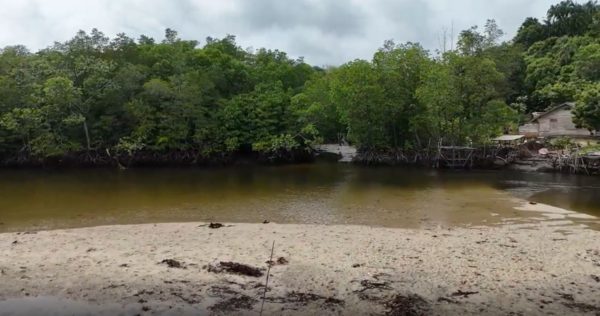
Planting Mangroves: Green Action of Industrial Bank of Korea and Copion
Recognizing the urgent need to restore coastal ecosystem health, local communities on Bintan Island – particularly in Pengudang Village – have initiated mangrove restoration efforts in recent years. Iwan shared that, together with fellow villagers, they began nurturing mangrove seedlings and replanting degraded areas.
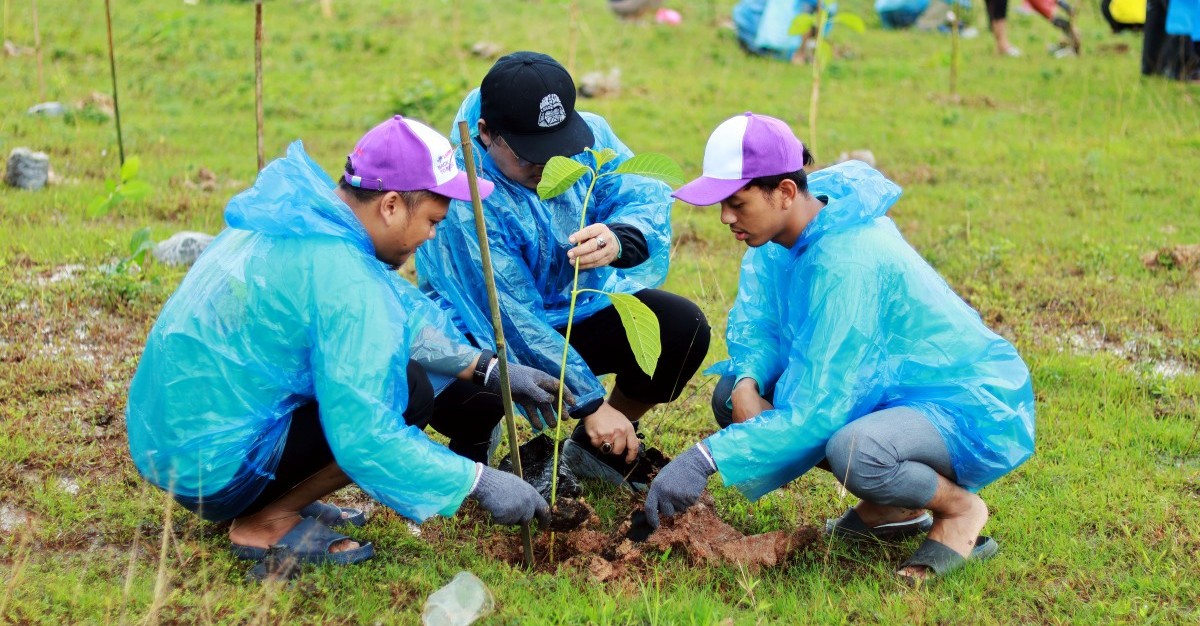
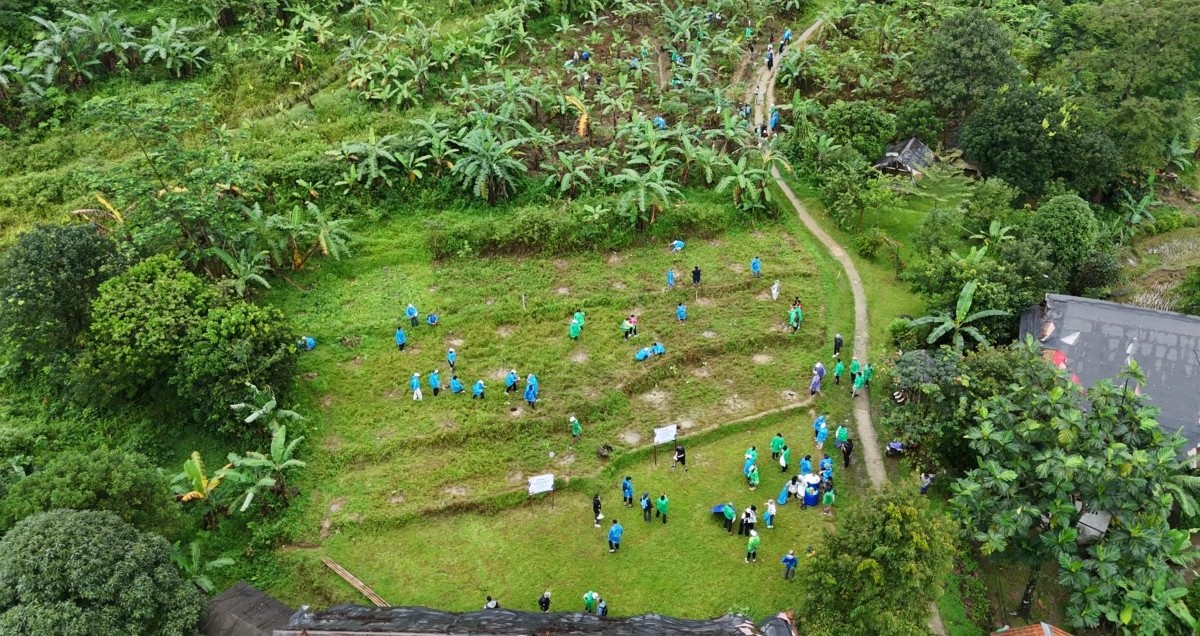
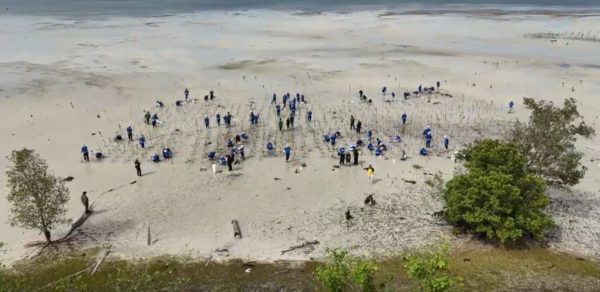
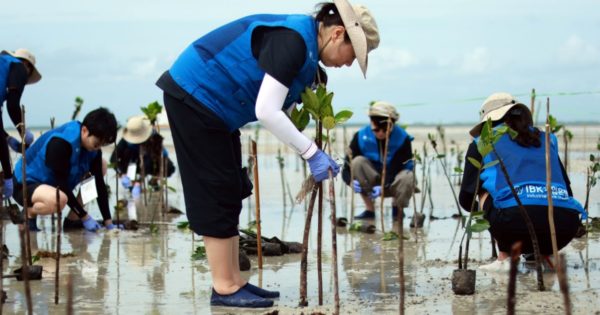
Supporting these community-led efforts, earlier this year, Industrial Bank of Korea, in collaboration with Copion and Trees4Trees, helped plant additional mangroves along the coast of Pengudang Village. A total of 1,500 Rhizophora apiculate species were planted together with the Industrial Bank of Korea staff members and Pengudang communities. The species was selected as the area is its natural habitat, increasing its chance of growth and survival.
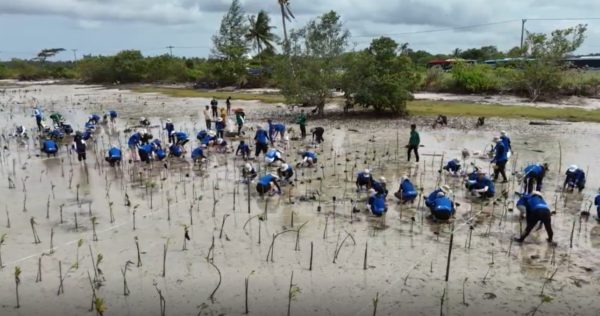
Beyond restoring coastal and marine ecosystems, the initiative which part of the Industrial Bank of Korea sustainability program also aims to strengthen coastal livelihoods.
“When we plant mangroves, marine and coastal species such as crabs, shrimps, and fish become more abundant, as mangroves provide essential habitat for them. With healthier ecosystems and increased yields from the sea, we hope mangrove planting will strengthen local fisheries and, in turn, improve the local economy,” said Khoirum Minan.
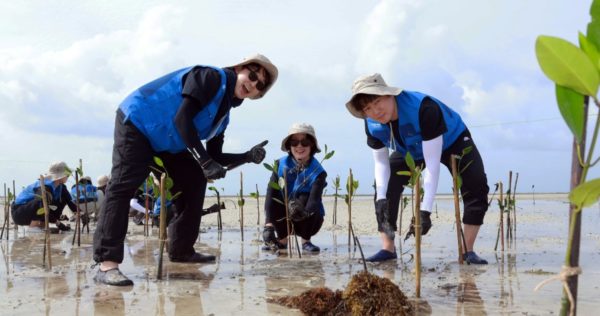
Strengthening Bintan Island Potential: Sustainable Fisheries and Tourism
With its strategic location, strong fisheries and tourism sectors, Bintan holds significant potential as a leading coastal destination. For the villagers, their livelihood is not separate from nature.
According to Iwan, conservation is integrated into every tourism activity in Pengudang Village, including mangrove planting, ensuring that it showcases nature while protects and sustains the surrounding ecosystems. The sea, however, has long been Bintan’s lifeline, providing food and income for local fishers. As part of Indonesia’s Exclusive Economic Zone, the fisheries potential in Bintan Regency exceeds 100,000 tons, placing it among the country’s important fishing regions.
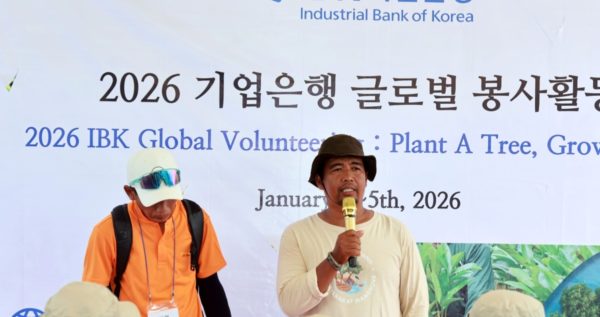
“We realized that our tourism offers natural heritage. Mangroves, seagrass meadows, and coral reefs,” said Iwan. “Visitors can glide through our mangrove forests on firefly tours, explore vibrant underwater life while snorkeling, or enjoy coastal village experiences,” he said. “So, as the coast and the sea are inseparable parts of our lives, whether we like it or not, we have to protect them. Because it is essential to our survival,” he continued.
With the mangrove restoration and sustainable fisheries and tourism practice, the island is potentially become a leading model for sustainable island development, where mangrove restoration, eco-tourism, and community livelihoods reinforce one another.
Writer: V. Arnila Wulandani. Photos: Y. Dessenita & M. Elly Nezar