In recent weeks, many parts of Indonesia – where we focus our tree-planting efforts – have experienced intense rainfall, which further has triggered floods and landslides, driven by extreme weather, tropical cyclones, and ongoing forest loss across the country.
Despite these challenges, heavy rain also brings a silver lining. They create ideal conditions for planting, as adequate rainfall and humidity provide seedlings with everything they need to grow and thrive. Steady rainfall and humidity support root growth, reduce heat stress, and increase the survival rates of newly planted seedlings.
Rainy Season: Marking Trees4Trees Planting Season
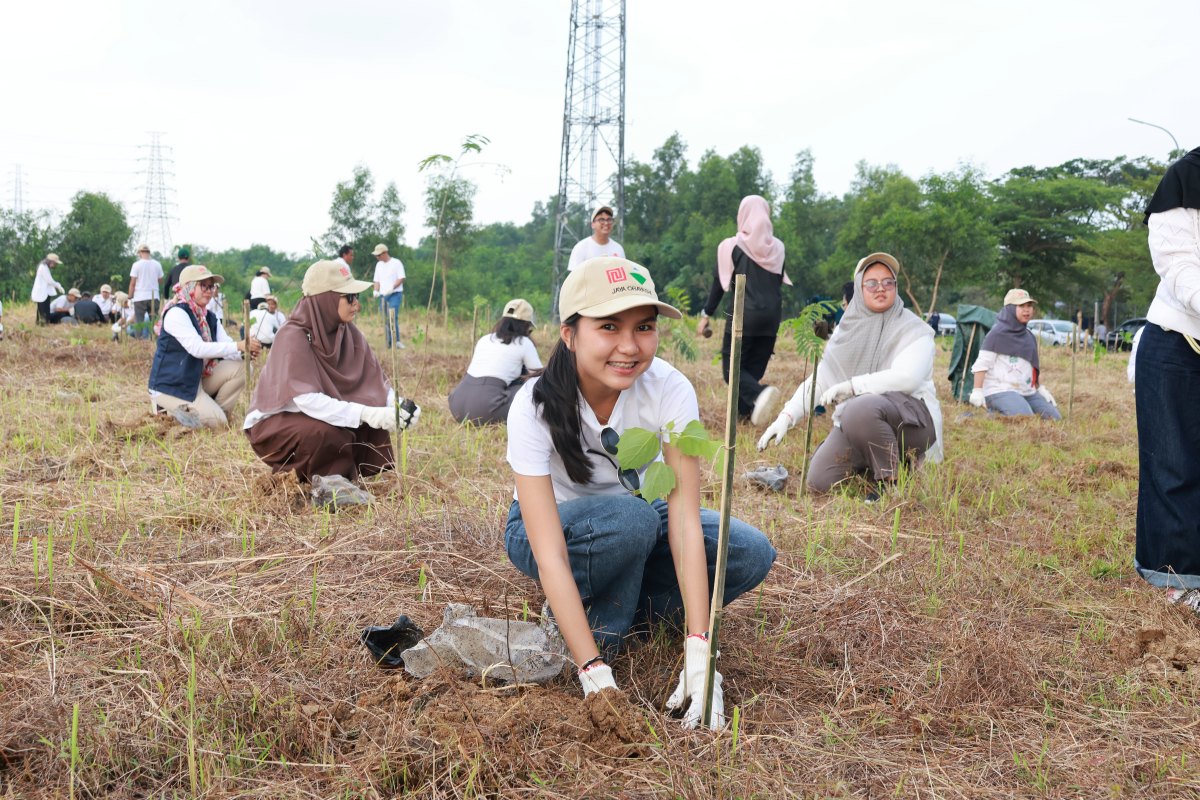
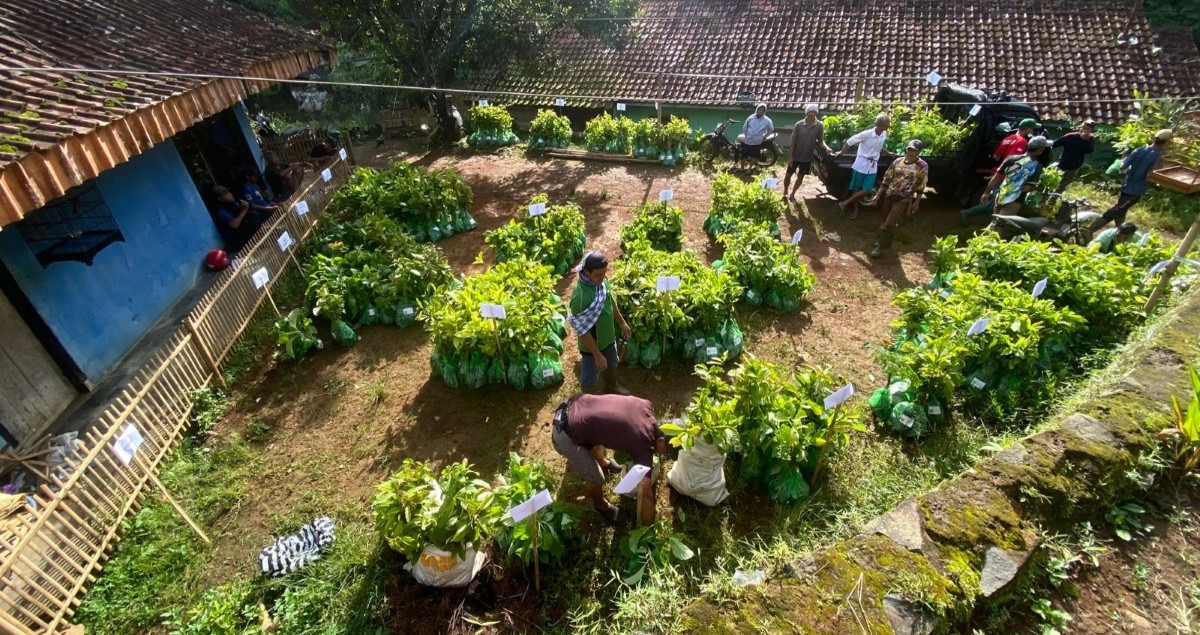
As the rainy season offers optimal growing conditions, this also marks the start of the Trees4Trees Planting Season 2025–2026, which began in early December. “Since 2008, we have planted more than 15 million trees. This season, with support from our partners, we are adding nearly two million more,” said Pandu Budi Wahono, Trees4Trees Director. The planting spans Java, Bali, and Bintan Island, restoring degraded land and coastal areas.
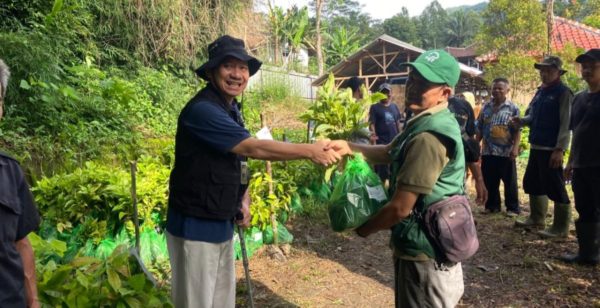
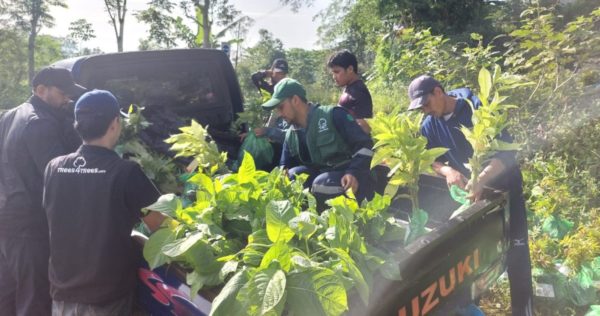
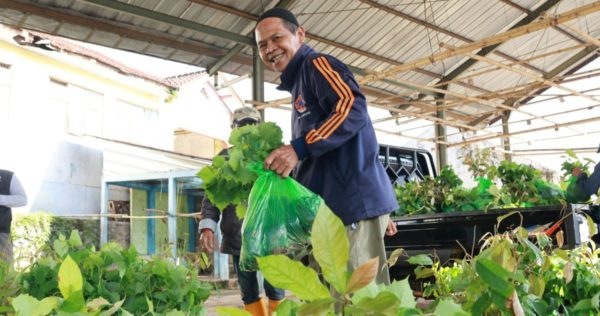
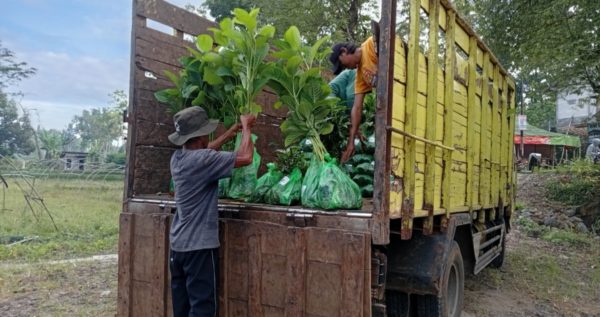
Seedling distribution is now underway and will continue through February 2026, with dozens of mini pickup trucks delivering seedlings to local farmers, including those in remote and challenging terrain – strengthening landscapes and reducing disaster risks.
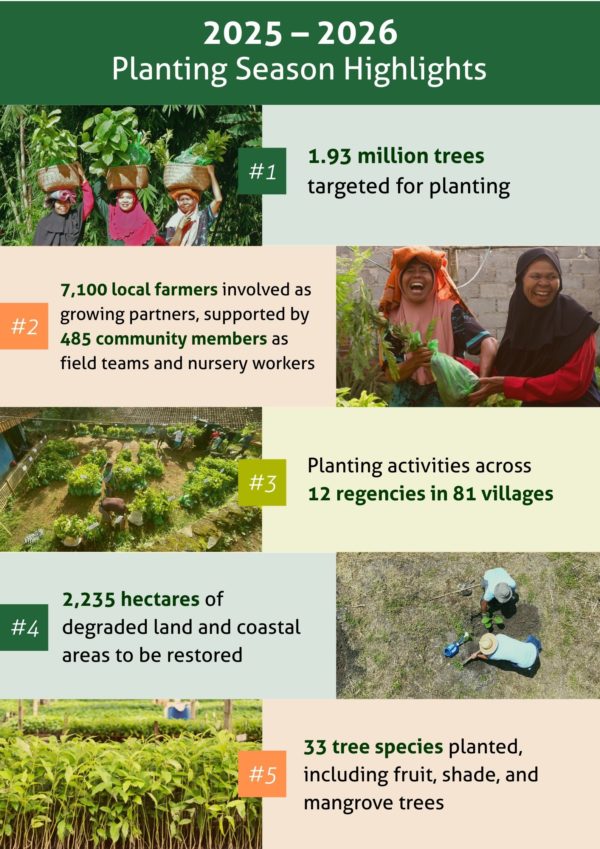
Building on last year’s efforts, this season we focus on strengthening environmental health in watersheds, urban areas, coastal regions, and landscapes prone to drought and flooding.
Extending Watersheds Restoration
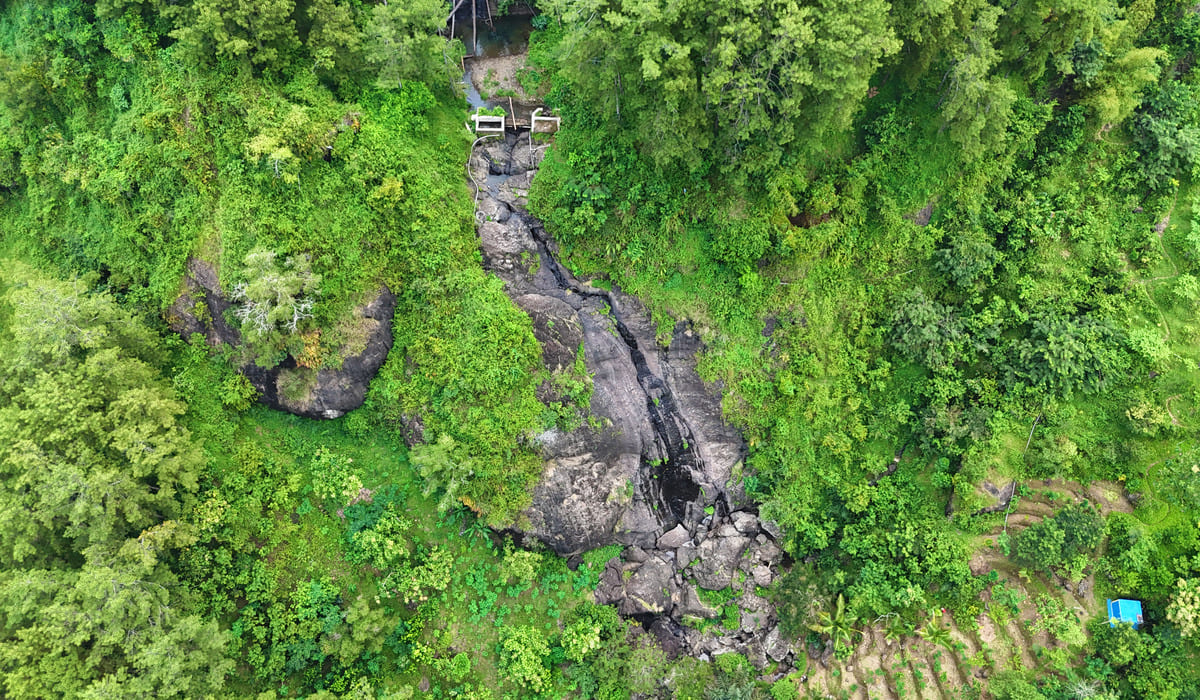
Intensive human activities in watersheds accelerate erosion, sedimentation, and declining soil and water quality. These impacts disrupt river systems and increase the risks of droughts, floods, and landslides. Continuing our last year planting, this season we strengthen green cover in Citarum with 1.45 million trees in West Bandung and Sumedang, while expanding restoration in Citanduy (Tasikmalaya) and Sangianggede (Bali).
“Over 223,000 trees are being planted across four villages in Tasikmalaya, bringing the total in the Citanduy watershed to over 273,000,” said Dian Wardhana, Trees4Trees Tasikmalaya Unit Manager. These efforts restore upstream forests and reduce the 4.5 million tonnes of sediment carried downstream annually to the Segara Anakan Lagoon in Cilacap, Central Java.
In Bali, an additional 63,000 trees in the Sangianggede watershed support Subak irrigation system and local caca0 farmers. This season also marks the start of restoration in the Bengawan Solo watershed, with 4,800 trees planted in Klaten, Central Java, recovering land degraded by intensive agricultural.
Restoring Coastal Ecosystem in Java and Bintan Island
Severe erosion in the upstream of Citanduy watershed has caused heavy sedimentation downstream in the Segara Anak lagoon in Cilacap, Central Java, threatening waterways vital to local fisheries and livelihoods.
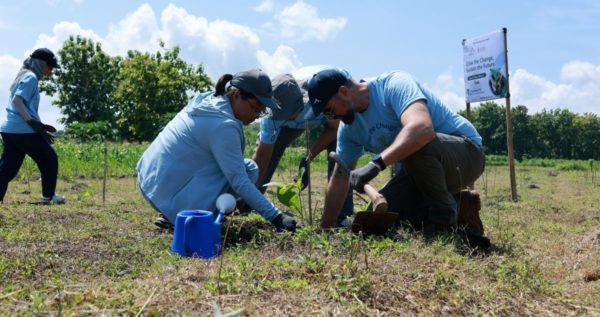
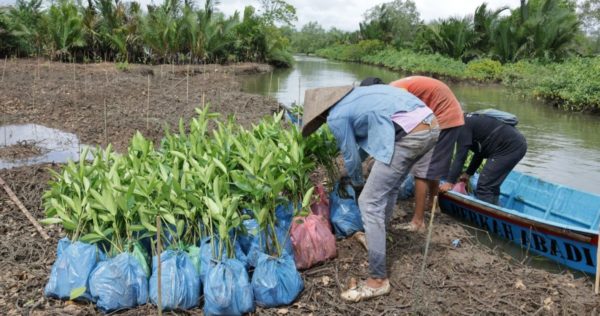
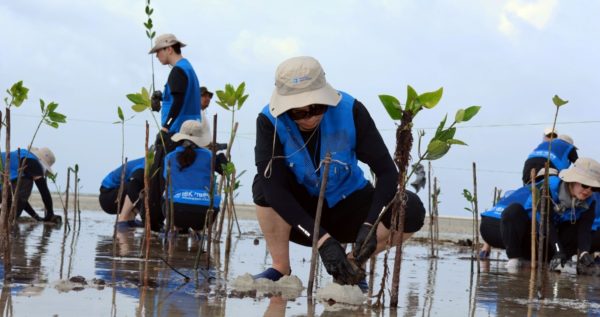
Alongside upstream restoration, we are restoring downstream coastal ecosystems through mangrove planting in Ujung Alang Village, Kampung Laut, Cilacap. “This year, 125,000 mangroves were planted, bringing the total to nearly 150,000 mangroves across 45.9 hectares since 2022,” Yoga Septian, the Trees4Trees Cilacap Unit Manager revealed. An additional 50,000 mangroves are planned for 2026.
Our mangrove restoration efforts are also expanding to Bintan Island, Sumatra, with an initial planting of 1,500 mangroves in Pengundang Village. This initiative supports coastal communities facing increasing human pressure, following the loss of more than 450 hectares of mangroves between 2014 and 2021.
Expanding Urban Forests in Jakarta’s Buffer Zones
Rapid population growth and development in Jakarta place increasing pressure on both the city and its buffer zones, contributing to air pollution, declining land and water quality, and rising temperatures.
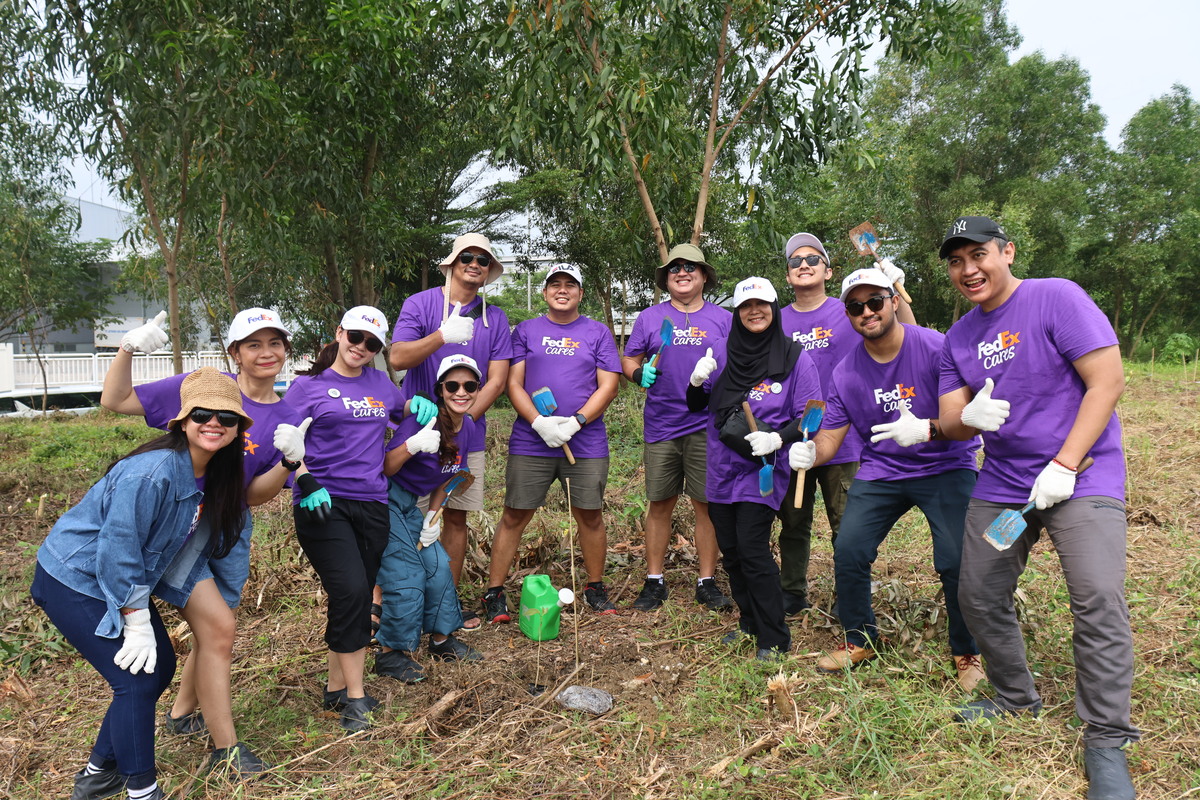
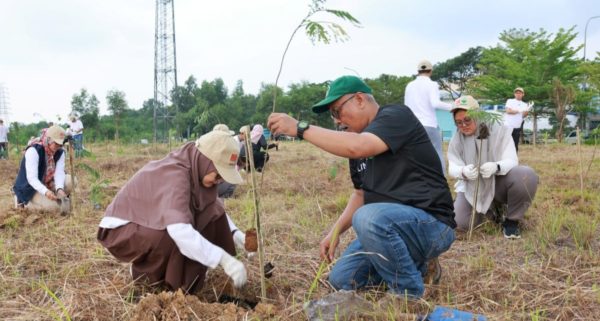
Since 2022, together with our partners, we have developed urban forests in Jakarta’s buffer zones, including Karawang, Bekasi, and Bogor. More than 80,000 trees have been planted to help improve air quality, restore soil and water, reduce noise, and lower temperatures. “This season, we are expanding these efforts by planting an additional 16,500 trees, primarily in industrial areas of Bekasi and Karawang, as well as in Bogor,” said Khoirum Minan, Trees4Trees Project Manager.
Addressing Drought in Kebumen & Yogyakarta
All of our planting areas in Kebumen, Central Java, lie within the drought-prone Kebumen Geopark. Since 2008, we have planted more than 1.2 million trees to restore ecosystems, support community livelihoods through non-timber forest products, and reduce drought and water scarcity.
“This season, we are adding over 70,000 drought-resilient trees, including teak, stinky bean, rudraksha, durian, gamal, robusta coffee, and indigofera,” said Maratun Chasanah, Trees4Trees Kebumen Unit Manager.
Similar efforts continue in Gunung Kidul, Yogyakarta, another drought-prone area. Since 2023, we have supported local communities through tree planting, adding 5,700 more trees this year to strengthen the area’s resilience.
It takes collaboration: Working with Partners and Local Communities
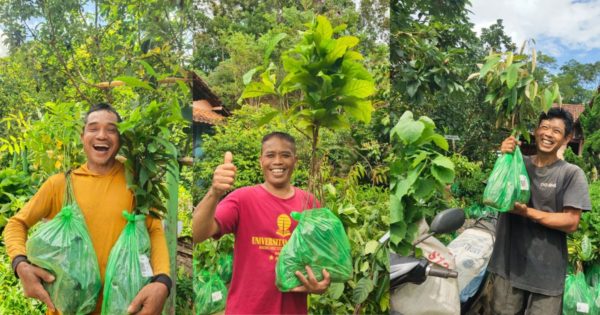
Effective environmental restoration relies on strong collaboration among communities, organizations, companies, and governments. This planting season, we are deeply grateful to our partner companies and local communities whose commitment made our work possible. “Without their support, this year’s planting season would not have happened,” emphasized Pandu Budi Wahono.
With 17 companies supporting our efforts this year, we hope more partners will join this collective movement. Trees4Trees also invites you to be part of this mission. You can donate trees, organize a tree-planting event, or support our planting initiatives to create a lasting, positive impact on the planet!
Writer: V. Arnila Wulandani. Photos: Yulianisa Dessenita, Alamsyah Bagaskara, Muhammad Ilham, Henning Ilmi, Mar’atun Chassanah.