Skip to content

Adopt a Village of Rural Kebumen

Adopt a Village by Restoring Kebumen's Rural Landscapes Through Agroforestry

Land degradation in Kebumen poses significant risks, making vegetation cover vital for maintaining ecological balance and supporting rural livelihoods of communities who largely rely on agriculture. Poor land management has driven soil erosion, landslide threats, and water instability, affecting communities’ farming practice. To help address these issues, the agroforestry tree-planting project in Kebumen aims at stabilizing vulnerable soil, capturing CO2e, building climate resilience, and creating sustainable economic opportunities for the villages.
Project Progress
0%

Trees planted

116,279 (2010-2023)

Families helped

570

Total areas reforested

208.64 (2019-2023)

CO2 captured

7,490-ton CO₂e.

Project started

2019

Planting methods

Agroforestry

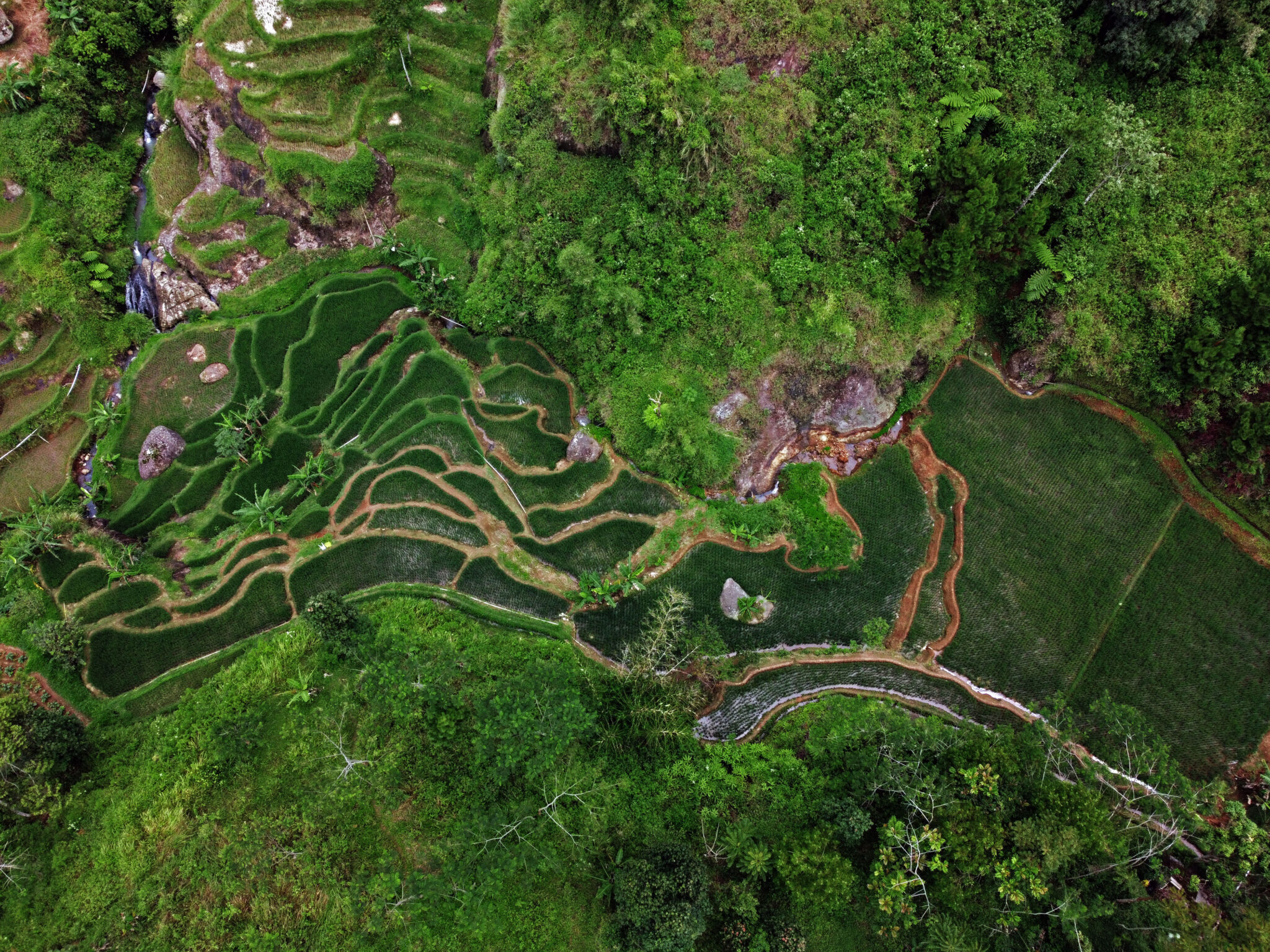
Most local communities in Gunungsari and Kalirejo Villages – Kebumen Regency, Central Java depend on agriculture for their livelihoods. Food crops like tubers, rhizomes, corn, and vegetables as well as fruits, and other agricultural products form an important part of household income and food security. However, farming in these areas which are located upland is closely influenced by the landscape and natural resources. Steep terrain, soil conditions, and seasonal water availability can cause agricultural production to be more vulnerable, particularly during periods of prolonged dry season.

Helping local communities within these two villages, Tree Ltd, together with Trees4Trees initiative an Adopt a Village project, restoring the both village’s ecosystems, conserving soil and water resources, and strengthening community resilience through extensive agroforestry tree-planting.

Beyond environmental restoration, the project also supports community empowerment, including local women training to produce charcoal from corn cobs and providing corn seedlings to strengthen their livelihood opportunities. This initiative reflects Tree Ltd’s commitment to women’s empowerment while promoting sustainable practices that connect environmental restoration with local economic resilience.

The project aims to contribute to landscape restoration, improve long-term environmental conditions, and strengthen community resilience toward environmental challenges.

Location :

Gunungsari and Kalirejo, Kebumen Regency, Central Java Province

Total area degraded :

14.21 hectares (Land Covering Area)

Cause of degradation :

Lack of productive land cover, poor water resource management, and high risks of soil erosion and landslides

Potential area for planting :

11.25 hectares

Planting density :

–
Water Insecurity and Landscape Vulnerability
 
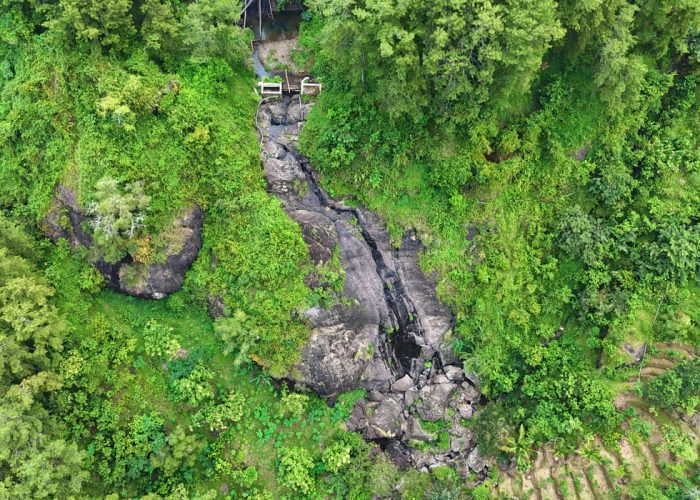
Local communities in Kalirejo and Gunungsari depend heavily on agriculture and natural resources for their livelihoods yet face recurring environmental pressures. During the dry season, declining water availability and reduced spring discharge can disrupt household needs and agricultural activities, particularly irrigation. In addition, Kalirejo is identified as an area vulnerable to ground movement, with landslides occurring during periods of intense rainfall.  
 
These seasonal pressures highlight the need for sustainable landscape management to protect local ecosystems and strengthen community resilience. by improving vegetation cover, soil protection, and water retention across the landscape. Tree planting and restoration are expected to help strengthen the land’s ecological functions while supporting communities whose livelihoods depend on their health and productivity. 
Trees The Support Farmers' Livelihoods

Tree Ltd’s Adopt a Village tree-planting initiative delivers lasting environmental and social benefits for farmers, local communities, and the wider public. The trees improve land productivity and provide future sources of income from fruits and other tree products. Leaves and other tree parts can also be used as livestock feed or for household consumption, while surplus produce can be sold to generate additional income. At the same time, tree planting improves overall land cover.

Healthier Ecosystems and More Resilient Landscapes

Beyond supporting livelihoods, tree planting helps improve air quality, conserve soil and water, and reduce the risk of landslides. It also promotes community awareness and participation in environmental protection and biodiversity conservation, contributing to healthier ecosystems and more resilient landscapes.

The project landscape in Kebumen supports a diverse mix of native and economically valuable flora designed for ecosystem restoration and community agroforestry. The reforestation efforts plant over 10 distinct tree species, including native and ecologically significant plants such as Albizia (Paraserianthes falcataria), Kadamb (Anthocephalus cadamba), Toona (Toona sureni), White teak (Gmelina arborea), Pangi (Pangium edule), and Palm sugar (Arenga pinnata).


The mountainous and karst landscapes of Kebumen Geopark support diverse wildlife include the Javan hawk-eagle (Nisaetus bartelsi), crested serpent eagle (Spilornis cheela), muntjac (Muntiacus muntjak), and Javan slow loris (Nycticebus javanicus). These species highlight the ecological value of the region’s mountainous habitats and the importance of conserving native biodiversity.

The two villages include the Kebumen Geopark area which reveals how geological heritage, biodiversity, and local livelihoods are closely connected. From its unique karst landscapes and coastal ecosystems to the communities that depend on these natural resources.

The tree-planting project supports rural livelihoods by creating additional sources of food, income, and productive assets for local communities. Trees provide future opportunities for fruit harvesting and livestocks feed, while improving the productivity and long-term value of agricultural land.

By diversifying livelihood sources such as selling wood, selling fruit, and livestock. Agroforestry tree planting reduces local farmers’ dependence on a single crop and helps farmers to become more resilient to economic and environmental challenges. Over time, growing trees also improves land cover, helps protect soil and water resources, and supports the long-term productivity of farmland.

Why Support This Project

  • Strengthen rural livelihoods by diversifying farmers’ sources of food, income, timber, fruit, and animal feed.
  • Improve water and soil security through increased vegetation cover, supporting water retention, and reducing soil erosion.
  • Build climate and disaster resilience by restoring vulnerable landscapes exposed to seasonal water shortages and landslide risks.
  • Empower local communities through agroforestry and livelihood activities that strengthen community participation and create sustainable economic opportunities.

Related Stories

DJI_20250504141029_0032_D (1) (1)

When exploring the northern part of Kebumen Regency in Central

Samino_Tree Grower_Kebumen_2 (1) (1)

In this day and age, where everything moves fast and

Parjono from Durensawit From Canvas to Crops 1

Time is a strange thing. Some days it can feel

Muchsinun A Farmer Driven by His Passion for Gardening_1 (3)

On a sunny afternoon in Kebumen as we rode our

Parade Festival Budaya Kalirejo_Trees4Trees

The fertile, volcanic soils of Central Java provide food and

Kalirejo_Corn Waste Utilization and Corn Post Harvest Processing Training_(1)

  In Central Java province, particularly in Kebumen regency, not

X

Renewing the environment and empowering the local communities through the forestry and education

See your trees
X
X

Subscribe Now

Get the latest updates on our tree-planting journey – sent directly to your inbox. 

By completing this form, you agree to receive our emails. You can unsubscribe at any time. 

Subscribe Now

Get the latest updates on our tree-planting journey – sent directly to your inbox. 

By completing this form, you agree to receive our emails. You can unsubscribe at any time.